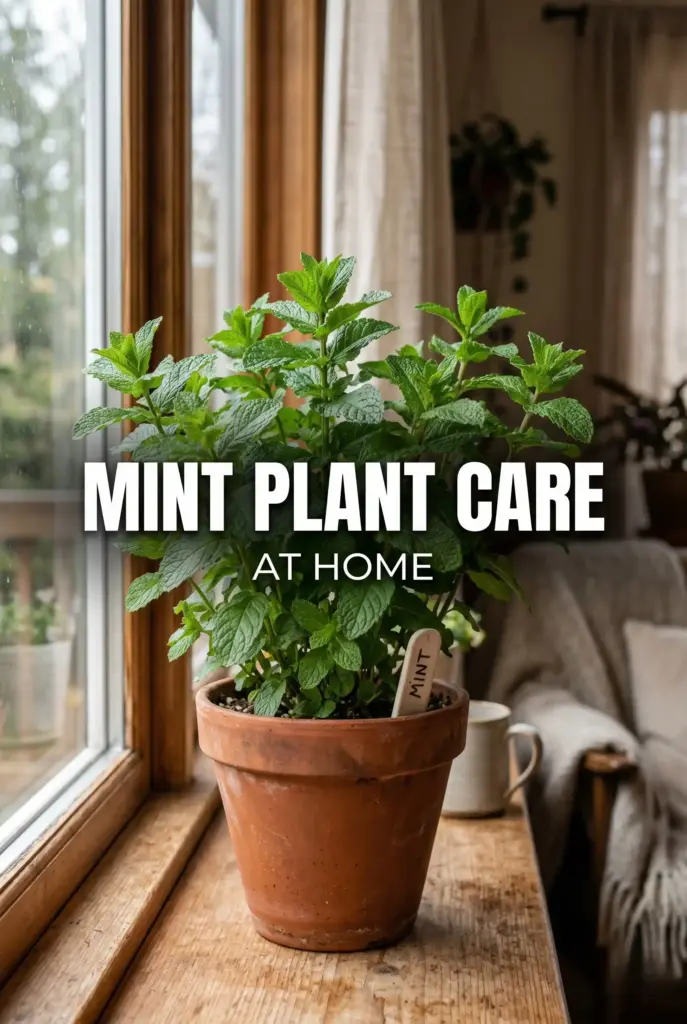
Mint is one of the easiest and most rewarding herbs you can grow at home. Its fresh scent fills the kitchen, its bright green leaves look beautiful, and a single plant can supply you with mint for teas, salads, and desserts for months. Whether you grow it on a windowsill, balcony, or garden, mint is forgiving and thrives with minimal care.
Here is a complete beginner guide to keeping your mint plant healthy, lush, and productive.
Choose the Right Mint Variety
There are many types of mint, and each has its own personality. Some are perfect for cooking, while others are great for tea.
- Spearmint: Classic flavor, great for cooking and mojitos.
- Peppermint: Stronger and more intense, perfect for tea and desserts.
- Chocolate mint: Fun twist with a subtle chocolate aroma.
- Apple mint: Mild, slightly fruity flavor with soft leaves.
For beginners, spearmint is the easiest to grow and the most versatile in the kitchen.
Pick the Right Pot
Mint spreads aggressively, so planting it in a pot is the smartest option. Even if you plan to keep it outdoors, a container prevents the roots from taking over your garden.
- Choose a pot at least 8 to 10 inches wide.
- Make sure it has drainage holes.
- Use a light, well-draining potting mix.
- Leave some space at the top for easy watering.
Plastic or terracotta pots both work well. Terracotta dries out faster, while plastic retains more moisture.
Light Requirements
Mint grows best with plenty of light. Give it at least 4 to 6 hours of sunlight per day. A south or east facing window works beautifully indoors. If your home does not get much natural light, a small grow light keeps mint happy year round.
In outdoor gardens, mint thrives in full sun to partial shade. Afternoon shade is helpful in hot climates.
Watering Your Mint
Mint loves moisture but hates soggy roots. Check the soil every few days by sticking your finger in about an inch deep. Water when the top inch feels dry. In summer, mint may need water every day, while in winter it slows down and needs much less.
- Water deeply until it drains from the bottom of the pot.
- Never let the plant sit in a saucer of water.
- Mist the leaves occasionally for extra humidity.
- Avoid letting the soil dry out completely, which causes wilting.
Consistent watering keeps leaves fresh and flavorful.
Feeding Your Mint
Mint is not a heavy feeder, but a light feed every 4 to 6 weeks during the growing season keeps it lush. Use a balanced liquid fertilizer at half strength, or a gentle organic option like compost tea or fish emulsion. Avoid over fertilizing, which can make leaves less flavorful.
Pruning for Bushy Growth
Regular pruning is the secret to a full, healthy mint plant. When the plant is 4 to 6 inches tall, pinch off the tops of the stems. This encourages side branches and prevents leggy growth. Continue to pinch regularly as the plant grows.
If you see flower buds starting to form, snip them off. Flowering signals the plant to slow leaf production and can weaken the overall plant.
Common Problems and Solutions
- Yellow leaves: Usually from over watering or poor drainage.
- Leggy growth: Caused by low light or lack of pruning.
- Wilting: Often means the plant needs water or root space.
- Pests like aphids and spider mites: Spray with soapy water.
Growing Mint Indoors
Mint makes an excellent indoor plant. Place it near a sunny window, keep the soil lightly moist, and rotate the pot weekly so all sides get light. You can harvest leaves year round for tea, cocktails, or cooking.
Propagating Mint
One of the best things about mint is how easy it is to propagate. You can create new plants in two simple ways:
- Cuttings: Snip a 4 inch stem, place it in water, and wait for roots.
- Division: Split the roots of a larger plant into smaller pieces.
Both methods give you new mint plants in just a few weeks, so you can share with friends or fill your garden with fresh mint.
Harvesting Mint
You can start harvesting mint as soon as the plant is 4 to 6 inches tall. Pinch or snip stems just above a leaf node to encourage new growth. Harvest in the morning when oils are strongest, and always leave at least two thirds of the plant so it keeps producing.
Fresh mint is best used right away, but you can also dry the leaves or freeze them in ice cubes for later.
Winter Care
Outdoor mint dies back in winter but returns in spring. Indoor mint continues growing if kept in a bright, warm spot. Reduce watering and stop fertilizing during the cold months. The plant is simply resting and will bounce back when the days get longer.
Final Thoughts
Caring for a mint plant at home is easy, fun, and endlessly rewarding. With a good pot, plenty of light, steady water, and regular pruning, your mint will flourish for years. A single plant can provide fresh leaves for tea, cooking, and decoration.
Grab a mint plant today, follow these tips, and enjoy the fresh aroma and flavor of homegrown mint anytime you want.