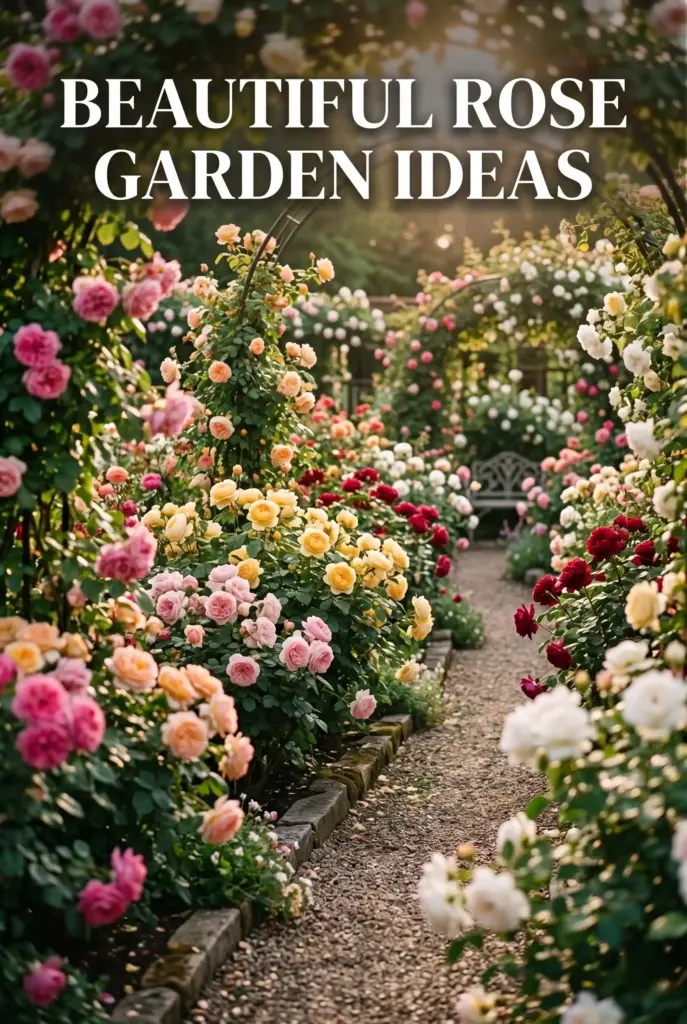
Roses have been loved by gardeners for centuries, and for good reason. Their beauty, fragrance, and endless variety make them one of the most rewarding plants you can grow. Whether you dream of a romantic cottage garden, a tidy front border, or a dramatic climbing wall of blooms, roses can make it happen with the right planning.
Here are practical rose planting ideas and tips to help you design a beautiful garden full of lush, colorful blooms.
Choose the Right Rose Types
Before planting, it helps to know the main rose categories so you can pick the right ones for your garden vision.
- Hybrid teas: Classic long stemmed roses perfect for bouquets.
- Floribundas: Produce clusters of blooms with strong repeat flowering.
- Shrub roses: Hardy and low maintenance, great for beginners.
- Climbing roses: Grow tall and can cover arches, fences, or walls.
- Ground cover roses: Low growing and spreading, ideal for slopes and borders.
Mixing a few types creates layers of color and texture throughout the season.
Plan Your Garden Layout
Good planning turns roses into a true centerpiece. Start with a simple sketch of your garden and think about color, height, and flow.
- Place tall climbing roses against fences or walls.
- Use shrub roses as the backbone of garden beds.
- Add floribundas and hybrid teas for splashes of color.
- Line walkways with ground cover roses for soft edges.
Group roses in threes or fives for a natural, full look. Single plants can look lonely.
Pick the Right Location
Roses need plenty of sunshine to thrive. Choose a spot with at least 6 hours of direct sunlight each day. Morning sun is especially important because it dries the leaves quickly and helps prevent disease.
Avoid areas with strong competition from tree roots or dense shrubs. Roses do not compete well for water and nutrients.
Prepare the Soil
Healthy soil leads to healthy roses. Before planting:
- Loosen the soil at least 12 inches deep.
- Mix in compost, aged manure, or organic matter.
- Aim for a slightly acidic pH between 6.0 and 6.8.
- Ensure good drainage, since roses hate soggy roots.
Good soil preparation pays off with stronger plants and more blooms for years.
How to Plant Roses
Whether you plant bare root or potted roses, the basic steps are similar.
- Dig a hole twice as wide and as deep as the root ball.
- Mix some compost into the soil you removed.
- Place the plant so the graft union sits just above ground level in warm climates, or slightly below in cold climates.
- Fill the hole with soil, gently firm, and water deeply.
Give each plant enough space to grow, usually 2 to 3 feet apart for shrubs and 4 to 6 feet for climbers.
Mulch for Healthy Plants
A 2 to 3 inch layer of mulch around your roses keeps the soil cool, retains moisture, and reduces weeds. Use shredded bark, compost, or pine needles. Leave a small gap around the stem to prevent rot.
Watering Your Roses
Roses prefer deep, steady watering rather than light daily sprinkles. Aim for 1 to 2 inches of water per week. Water at the base, not on the leaves, to prevent black spot and mildew. Morning watering gives the leaves time to dry before nightfall.
Feeding for More Blooms
Roses are heavy feeders and respond well to regular fertilizing. Use a rose specific fertilizer or a balanced organic blend every 4 to 6 weeks during the growing season. Stop feeding about 6 weeks before your first frost so the plant can prepare for winter.
Pruning Roses
Pruning keeps roses healthy, shaped, and full of blooms. Most roses are pruned in late winter or early spring, just as buds begin to swell.
- Remove dead or damaged canes.
- Cut out crossing or crowded branches.
- Shape the plant for good air flow.
- Cut stems just above outward facing buds.
Regular pruning leads to more, bigger blooms throughout the season.
Common Rose Problems
- Black spot: Water at the base and remove affected leaves.
- Powdery mildew: Improve airflow and avoid wet leaves.
- Aphids: Spray with soapy water or encourage ladybugs.
- Japanese beetles: Handpick in the morning when they are sluggish.
Creative Rose Garden Ideas
Roses look stunning in many different garden styles. Try one or more of these designs:
- Cottage garden: Mix roses with lavender, foxglove, and daisies.
- Formal garden: Plant symmetrical beds with trimmed hedges.
- Rose archway: Grow climbers over a metal or wood arch.
- Container roses: Place shrub roses in decorative pots on patios.
- Scented garden: Group fragrant varieties near benches and walkways.
Each style has its own charm and can be adapted to small or large spaces.
Deadheading for Repeat Blooms
Removing spent flowers, called deadheading, encourages roses to produce more blooms throughout the season. Snip just above the first set of five leaves below the faded flower. This signals the plant to grow new buds rather than set seed.
Winter Care
In cold climates, protect roses by mulching heavily around the base and covering tender varieties with burlap or rose cones. In mild areas, a simple layer of mulch is usually enough. Pruning should be done in late winter, not fall.
Final Thoughts
Roses bring unmatched beauty, color, and elegance to any garden. With the right varieties, smart planning, and steady care, you can create a rose garden that blooms beautifully for years. Whether you prefer classic hybrid teas or easy-going shrub roses, there is a perfect rose for every space and style.
Start with a few plants this season, follow these ideas, and watch your garden transform into a breathtaking display of color and fragrance.