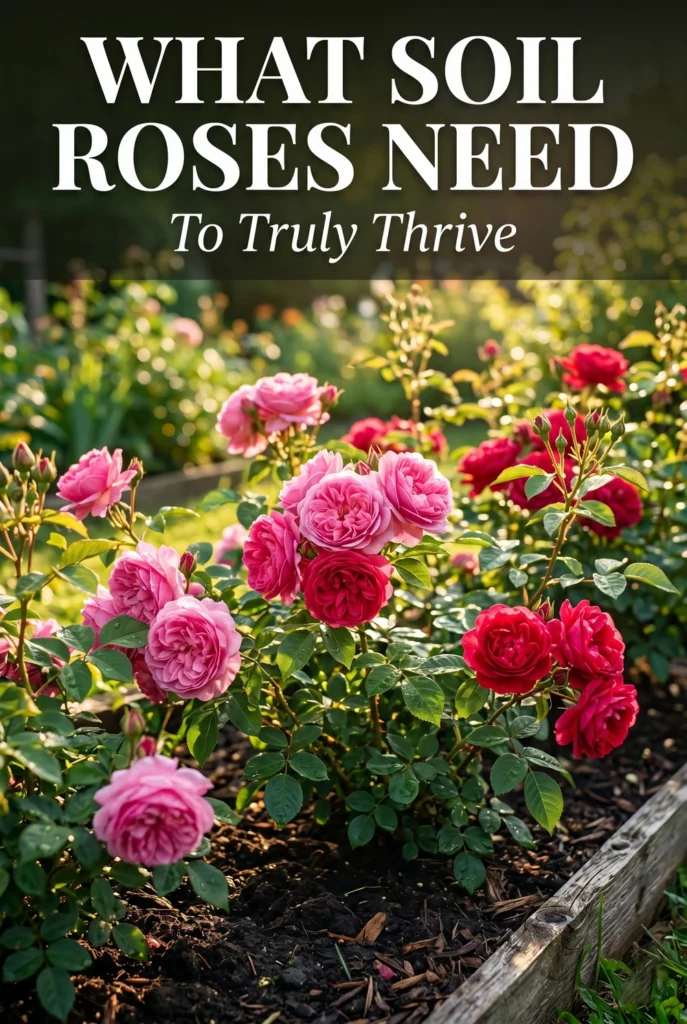
Roses are some of the most beloved flowers in any garden, but their beauty depends heavily on one thing many beginners overlook: the soil. Roses are surprisingly easy to grow once you give them the right foundation, but they truly struggle in poor or compacted soil. The good news is that creating the perfect rose soil is easier than you might think. With the right preparation, your plants will reward you with healthier growth, stronger roots, and an abundance of stunning blooms.
Here is your complete guide to the soil roses need to thrive, including ideal pH, texture, nutrients, and tips for improving any garden bed.
Why Soil Matters So Much for Roses
Soil affects nearly every part of rose health, including:
- How well the roots grow and spread.
- How easily water and nutrients reach the plant.
- How resistant the rose is to disease and pests.
- How many blooms it produces each season.
- How long the plant will live and thrive.
Get the soil right, and you set your roses up for years of beautiful growth.
The Ideal Soil Texture for Roses
Roses love a soil texture often called loam, which is a balance of sand, silt, and clay:
- Loam holds moisture but drains well.
- It is loose enough for roots to spread easily.
- It allows good airflow for the root zone.
- It supports healthy soil microorganisms.
If your soil is too sandy, it dries out fast. If it is too clay heavy, water sits and causes root rot.
The Right Soil pH
Roses prefer slightly acidic to neutral soil. Aim for a pH between 6.0 and 6.8:
- Below 6.0: Soil is too acidic, locking out key nutrients.
- Above 7.0: Soil becomes alkaline, causing yellow leaves.
- Test your soil with an inexpensive home kit.
- Adjust with lime to raise pH or sulfur to lower it.
Even small pH problems can hurt rose health, so testing is well worth the effort.
Drainage Is Essential
Roses hate soggy roots. Good drainage is one of the most important features of rose soil:
- Water should soak in within a few minutes, not pool.
- Avoid low spots where rain collects.
- Heavy clay soils should be improved with compost and grit.
- Raised beds are a great option in poorly draining areas.
If water sits around the roots for too long, your rose can develop fungal disease or root rot.
Rich Organic Matter
Roses thrive in soil that is rich in organic matter:
- Mix in 2 to 3 inches of compost before planting.
- Add aged manure for a nutrient boost.
- Use leaf mold to improve structure.
- Topdress beds with compost each year.
Organic matter feeds soil microbes, retains moisture, and slowly releases nutrients.
Essential Nutrients for Roses
Roses need a balanced supply of three main nutrients:
- Nitrogen (N): Promotes healthy leaves and steady growth.
- Phosphorus (P): Encourages strong roots and flower formation.
- Potassium (K): Supports overall plant strength and disease resistance.
They also benefit from trace minerals like magnesium, calcium, sulfur, and iron, which most balanced rose fertilizers include.
How to Improve Heavy Clay Soil
Clay holds water too long and compacts easily, which is bad for roses:
- Add 3 to 4 inches of compost to loosen the texture.
- Mix in coarse sand or grit for better drainage.
- Use raised beds to lift the planting area.
- Avoid working clay soil when wet, since it compacts more.
With effort over time, even tough clay can become great rose soil.
How to Improve Sandy Soil
Sandy soil drains too quickly and does not hold nutrients well:
- Add lots of compost to improve moisture retention.
- Use leaf mold for extra organic matter.
- Mulch heavily to slow evaporation.
- Feed more often, since nutrients wash through faster.
Sandy soil is easier to fix than clay and improves quickly with compost.
Best Soil for Container Roses
If you grow roses in pots, the soil mix is critical. Use a high quality potting mix and avoid garden soil:
- Mix 50 percent potting mix with 50 percent compost.
- Add a slow release organic fertilizer at planting.
- Ensure the pot has plenty of drainage holes.
- Choose a pot at least 15 to 18 inches deep.
Container roses need fresh soil every few years, since potted soil breaks down over time.
Mulching for Healthier Roses
Mulch is just as important as the soil itself:
- Use 2 to 3 inches of mulch around the base.
- Choose pine bark, compost, or shredded leaves.
- Keep mulch a few inches away from the trunk.
- Refresh the mulch each spring.
Mulch keeps moisture steady, blocks weeds, and slowly adds organic matter to the soil.
Feeding Roses Through the Soil
Even with great soil, roses benefit from steady feeding:
- Apply a balanced rose fertilizer every 4 to 6 weeks during the growing season.
- Use compost or aged manure each spring.
- Stop feeding 6 weeks before the first frost.
- Water deeply after each feeding.
Feeding the soil also benefits the plant long term, not just one season.
Signs Your Rose Soil Needs Help
Roses often show clear signs when the soil is not right:
- Yellow leaves with green veins point to pH problems.
- Wilting in moist soil means poor drainage.
- Slow growth shows lack of nutrients.
- Few blooms suggest weak soil or low light.
- Crispy leaves can mean dry, depleted soil.
Pay attention to your plants. They are usually trying to tell you something about the soil.
Common Mistakes to Avoid
- Planting in compacted, untilled soil.
- Ignoring drainage.
- Using only chemical fertilizers without improving the soil.
- Forgetting to mulch.
- Skipping yearly compost additions.
Final Thoughts
Roses really do depend on great soil to thrive. With balanced texture, the right pH, good drainage, rich organic matter, and steady feeding, your roses will reward you with healthy growth and beautiful blooms for many years. Soil is the foundation of every great rose garden.
Take time this season to improve your soil, follow these tips, and watch your roses bloom in ways you never imagined.