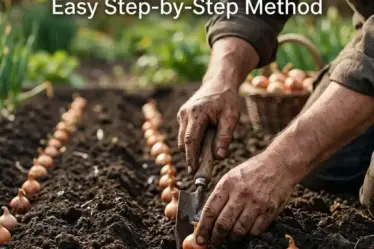
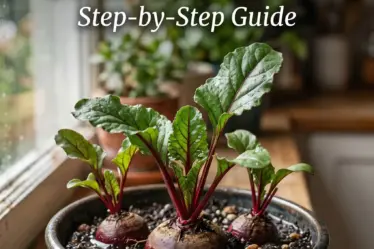
Sweet potatoes are one of the most rewarding vegetables you can grow at home. They are nutritious, delicious, and surprisingly easy to grow once you understand the basics. Watching the journey from a single potato to a basket full of fresh, homegrown sweet potatoes is incredibly satisfying. With the right setup, you can grow them in a garden bed, raised bed, or even containers on a sunny patio. They reward your patience with months of beautiful trailing vines and a generous harvest at the end of the season.
Here is your complete guide to growing sweet potatoes from potato to harvest at home.
Why Grow Sweet Potatoes at Home
Sweet potatoes have many advantages for home gardeners:
- They are easy to grow and very forgiving.
- They store well for months after harvesting.
- The vines double as a beautiful ground cover.
- One potato can produce many slips, leading to a big harvest.
- They are packed with vitamins and nutrients.
Even a single sweet potato can give you enough plants to fill a garden.
Choose the Right Variety
Some sweet potato varieties grow especially well in home gardens:
- Beauregard: Reliable, widely available, and very productive.
- Centennial: Great for short growing seasons.
- Vardaman: Compact bush variety, perfect for small spaces.
- Murasaki: Purple skin with sweet white flesh.
If you live in a cooler climate, choose fast maturing varieties like Centennial.
Start with Sweet Potato Slips
Sweet potatoes are not grown from seed. Instead, they grow from slips, which are small shoots that sprout from a mature sweet potato. You can buy slips or grow them yourself from a store bought sweet potato:
- Place a sweet potato in a glass of water with toothpicks holding it up.
- Submerge the bottom half in water.
- Place in a warm, sunny spot.
- Wait several weeks for shoots to sprout from the top.
- When shoots are 4 to 6 inches tall, twist them off gently.
Place the slips in fresh water until they grow roots, then they are ready to plant.
When to Plant Sweet Potatoes
Sweet potatoes love warmth and hate cold. Plant only when:
- All danger of frost has passed.
- Soil temperatures stay above 65 degrees Fahrenheit.
- Nighttime temperatures are consistently warm.
- You have at least 90 to 120 frost free days ahead.
In most regions, this means planting in late spring or early summer.
Prepare the Soil
Sweet potatoes love loose, sandy soil that drains well:
- Mix in plenty of compost for nutrients.
- Add coarse sand if your soil is heavy clay.
- Aim for a pH between 5.8 and 6.5.
- Loosen the soil to a depth of at least 12 inches.
Loose soil makes it easier for tubers to grow long and smooth.
How to Plant Sweet Potato Slips
Plant slips after the soil is warm and the weather is settled:
- Dig holes about 4 inches deep.
- Place each slip in the hole, burying most of the stem.
- Space slips 12 to 18 inches apart.
- Water deeply right after planting.
Keep the slips moist for the first 2 weeks while they establish roots.
Sunlight and Placement
Sweet potatoes need full sun, at least 6 to 8 hours per day. Choose a spot that gets plenty of light. Less sun means smaller tubers and slow growth.
Watering Sweet Potatoes
Sweet potatoes are fairly drought tolerant but produce better with steady watering:
- Water 1 to 2 inches per week during active growth.
- Reduce watering 2 to 3 weeks before harvest for sweeter flavor.
- Avoid letting the soil stay soggy.
- Mulch around the base to keep moisture even.
Steady moisture leads to plump, healthy tubers.
Feeding Your Plants
Sweet potatoes are moderate feeders. Use a balanced fertilizer or compost tea every 4 weeks. Avoid high nitrogen fertilizers, which encourage lots of vines but few tubers.
Caring for the Vines
The vines spread quickly and cover the ground. They are beautiful and help shade out weeds. You can let them sprawl or train them vertically on a trellis to save space. Healthy vines mean healthy tubers underneath.
Common Problems and Solutions
- Yellow leaves: Often a sign of nutrient deficiency.
- Few tubers: Usually from too much nitrogen or shaded plants.
- Slow growth: Cool soil or low light.
- Pests like sweet potato weevils: Use crop rotation and clean planting.
When to Harvest Sweet Potatoes
Sweet potatoes are usually ready 90 to 120 days after planting:
- Vines start yellowing or wilting.
- Tubers reach full size.
- Cooler weather signals harvest time.
- Harvest before the first hard frost.
If frost catches the vines, harvest the tubers immediately, since damaged vines can ruin the tubers.
How to Harvest Sweet Potatoes
Use a garden fork or shovel to dig carefully around the plants. Lift the tubers gently, since their skins are very tender right after harvest. Brush off the soil but do not wash them yet.
Curing Is the Secret to Sweetness
Sweet potatoes need to be cured for the best flavor. Curing thickens the skin and converts starches to sugars:
- Place tubers in a warm, humid spot for 7 to 10 days.
- Aim for 80 to 90 degrees Fahrenheit and high humidity.
- Use a covered container or warm garage.
- Avoid washing before curing.
After curing, the sweet potatoes will be much sweeter and ready to store.
Storing Sweet Potatoes
Store cured sweet potatoes in a cool, dry, dark spot. Avoid the refrigerator, since cold ruins the flavor. Properly stored, they can keep for 4 to 6 months. Check periodically and use any soft or damaged ones first.
Final Thoughts
Growing sweet potatoes from potato to harvest is one of the most fun and rewarding gardening projects you can try. From sprouting slips on your windowsill to digging up baskets of tubers at the end of the season, every step is exciting and satisfying. With sunshine, loose soil, steady care, and proper curing, you will enjoy delicious sweet potatoes for months.
Start your slips this season, follow these steps, and discover the joy of growing one of the tastiest vegetables right from your own garden.