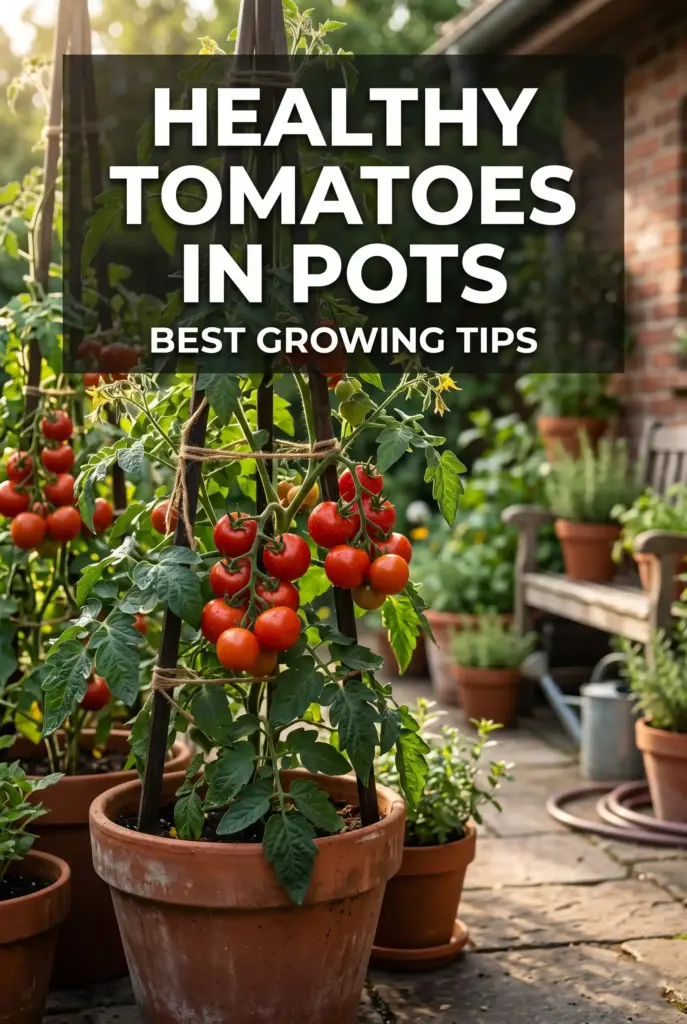
Tomatoes are one of the most popular vegetables to grow at home, and the good news is that you do not need a big garden to enjoy a great harvest. With the right pot, soil, and care, container grown tomatoes can be just as productive as those grown in the ground. Whether you have a small balcony, sunny patio, or a tiny backyard, you can grow strong, healthy tomato plants loaded with sweet, juicy fruit.
Here are the best tips to keep your tomato plants in pots healthy, productive, and bursting with flavor.
Choose the Right Variety
Not all tomatoes are well suited for containers. Some grow too tall, while others stay compact and produce well in pots.
- Cherry tomatoes: Small, sweet, and very productive.
- Patio tomatoes: Compact varieties bred just for containers.
- Bush tomatoes (determinate): Stay smaller and fruit all at once.
- Indeterminate types: Grow tall but produce all season with strong support.
For beginners, determinate or compact varieties like Tiny Tim, Roma, or Patio Princess are easy to grow and require less space.
Pick the Right Pot Size
Pot size makes a huge difference in tomato success. The bigger the pot, the bigger the harvest.
- Use at least a 5 gallon pot for compact varieties.
- Use a 10 gallon pot for indeterminate or full size tomatoes.
- Make sure the pot has plenty of drainage holes.
- Avoid pots smaller than 12 inches in diameter.
Fabric grow bags work very well because they breathe and prevent root binding.
Use the Right Soil
Quality soil is the foundation of healthy tomato plants. Never use plain garden soil in pots, since it compacts and suffocates roots.
- Use a quality potting mix designed for vegetables.
- Mix in compost for added nutrients.
- Add a handful of slow release fertilizer at planting.
- Aim for a pH between 6.0 and 6.8.
A rich, loose soil keeps your plants healthy and productive throughout the season.
Place Your Pots in Full Sun
Tomatoes love sunshine. They need at least 6 to 8 hours of direct sunlight per day to produce sweet, juicy fruit. The brighter the spot, the better. A south facing balcony or sunny patio is ideal. Less sun results in fewer flowers and smaller harvests.
Plant Tomatoes Deep
Here is one of the best secrets for healthy tomato plants. When transplanting, bury the stem deep, leaving only the top few sets of leaves above the soil. The buried stem grows new roots, creating a much stronger plant. Pinch off the lower leaves before planting to prevent disease.
Water Consistently
Tomatoes need steady moisture, especially in pots, which dry out faster than ground beds.
- Water when the top inch of soil feels dry.
- In hot weather, you may need to water daily.
- Water deeply at the base, not on the leaves.
- Avoid wet leaves to reduce disease problems.
Inconsistent watering causes blossom end rot, cracked fruit, and bitter flavor. Keep watering steady for the best results.
Feed Regularly
Tomatoes are heavy feeders, especially in containers, where nutrients run out faster. Use a balanced fertilizer at planting and switch to a phosphorus and potassium rich blend once flowers appear. Feed every 2 to 3 weeks during peak season. Compost tea is a wonderful natural option.
Provide Strong Support
Tomato plants get heavy as they grow and produce fruit. Support them from the start to avoid broken stems.
- Use a sturdy tomato cage that fits the size of your pot.
- Use a stake at least 6 feet tall for indeterminate varieties.
- Tie stems loosely to the support as they grow.
- Avoid putting supports in late, which can damage the roots.
Strong support keeps your plant upright and prevents fruit damage.
Mulch to Keep Soil Healthy
Adding a layer of mulch on top of the soil helps keep your plants happy:
- Holds in moisture longer.
- Keeps the soil cool during heat waves.
- Reduces water splashing onto leaves.
- Helps prevent fungal diseases.
Use straw, shredded leaves, or coconut coir for the best results in pots.
Pruning Container Tomatoes
Pruning helps direct energy into fruit instead of unnecessary leaves.
- Pinch off suckers, the small shoots between branches and the main stem.
- Remove lower leaves to improve air flow.
- Cut off any yellow or damaged leaves.
- Determinate varieties need very little pruning.
Light pruning every week keeps your plant strong and well shaped.
Common Problems and Solutions
- Yellow leaves: Often caused by uneven watering or nutrient shortage.
- Blossom end rot: Caused by inconsistent moisture or low calcium.
- Cracked fruit: Usually from sudden heavy watering after a dry spell.
- Few fruits: Often from too much shade, heat, or excess nitrogen.
Pollination Tips
Tomatoes are self pollinating, but indoor or balcony plants may need a little help. Gently shake the plants once a day or use a small brush on the flowers to spread pollen. Outside, bees and wind do most of the work.
Protecting from Heat and Cold
Container plants are more sensitive to temperature than ground plants. In hot weather, move pots to partial shade during peak afternoon sun. In cool weather, bring them indoors at night to prevent frost damage.
When to Harvest
Pick tomatoes when they are fully colored and slightly soft. Ripe fruit pulls away from the stem with a gentle twist. Harvest in the morning when temperatures are coolest. Never refrigerate fresh tomatoes, since cold ruins their flavor.
Final Thoughts
Healthy tomato plants in pots are absolutely possible when you give them the right tools to thrive. With a big pot, rich soil, steady water, regular feeding, and a sunny spot, your plants will reward you with baskets of flavorful tomatoes all summer long. Container growing also makes it easy to control conditions and avoid many common garden problems.
Plant your tomatoes today, follow these tips, and discover just how productive a small space can be.