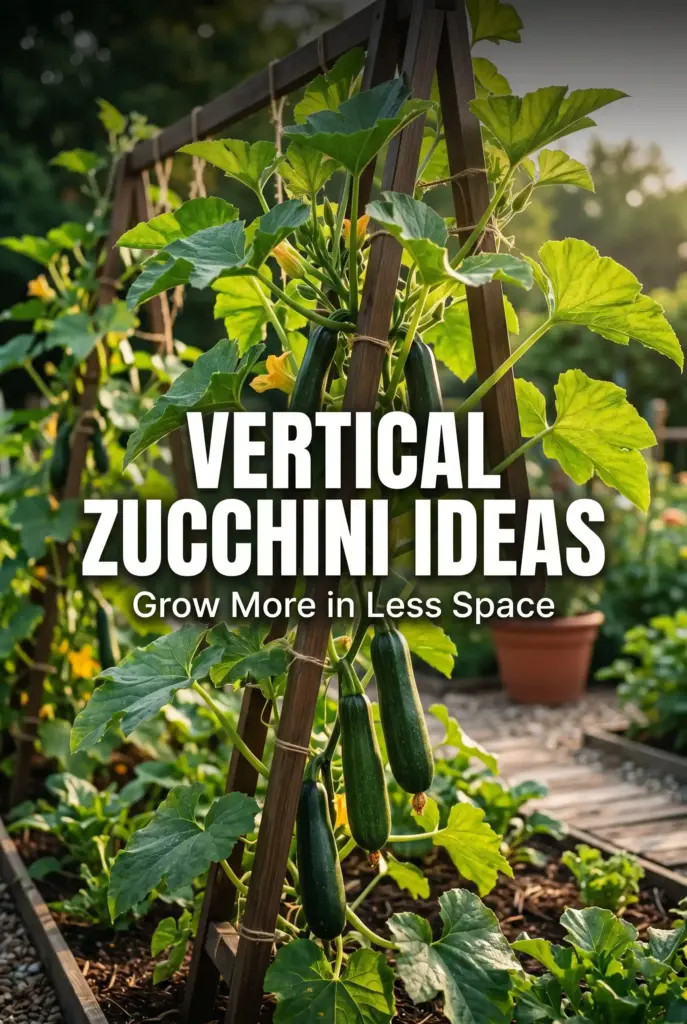
Zucchini is one of the most productive vegetables in any home garden, but its sprawling vines can take up a huge amount of space. Growing zucchini vertically is a clever solution that saves room, keeps plants healthier, and makes harvesting easier. Vertical trellises also improve air flow, reduce disease, and turn your garden into a lush, green vertical display. Even small balconies and tiny backyards can grow plenty of zucchini with the right vertical setup.
Here are the best vertical zucchini trellis ideas to help you grow big, healthy plants in any space.
Why Grow Zucchini Vertically
Vertical zucchini growing has many advantages over traditional sprawling rows:
- Saves a huge amount of garden space.
- Improves air flow, reducing powdery mildew.
- Keeps fruits clean and off the soil.
- Makes harvesting and pruning easier.
- Looks beautiful in small gardens or balconies.
Once you try growing zucchini vertically, you may never go back to letting them sprawl on the ground.
Choose the Right Variety
Not all zucchini varieties grow well vertically. Look for vining or semi vining types instead of bush varieties:
- Black Forest: A climbing variety perfect for trellises.
- Trombetta: Long, twisting fruit with strong climbing vines.
- Tatume: Vigorous climbing variety with round fruit.
- Costata Romanesco: Italian heirloom with strong growth.
If you only have bush type seeds, you can still train them up a sturdy support, but vining varieties are much easier.
DIY Trellis Ideas
There are many simple ways to build a zucchini trellis at home. Here are some of the most popular designs:
- A frame trellis: Two leaning panels joined at the top, perfect for raised beds.
- Cattle panel arch: Curved metal panels create a beautiful tunnel of zucchini.
- Wooden ladder trellis: Recycled ladders make charming, rustic supports.
- PVC pipe trellis: Lightweight and easy to assemble.
- Wire mesh panel: Heavy duty and works for years.
Choose a trellis at least 6 feet tall, since zucchini vines climb quickly during the growing season.
Trellis Materials That Work Best
The strength of your trellis matters because zucchini plants get heavy. Choose sturdy materials that can support the weight of mature plants and fruit:
- Metal rebar or steel stakes for the frame.
- Cattle panels or hog wire for climbing surface.
- Strong garden twine or jute for tying vines.
- Treated wood for long lasting structures.
Avoid flimsy supports like thin bamboo, which often break under the weight of full grown zucchini plants.
Set Up Before Planting
Always install your trellis before planting seedlings. Trying to add support later can damage the roots and stems. Drive stakes deep into the ground, and make sure the structure is anchored well so it does not tip in strong wind.
How to Train Zucchini Vines
Zucchini does not climb on its own like cucumbers or peas, so you will need to guide it. Train your plants step by step:
- Choose the strongest main stem and tie it gently to the trellis.
- Use soft twine or plant clips to attach the vine.
- Continue tying as the plant grows taller.
- Remove side shoots to encourage upward growth.
- Check ties weekly to make sure they are not too tight.
After a few weeks, your zucchini will start growing upright with bigger leaves and longer fruit.
Spacing Your Plants
Even when growing vertically, zucchini still needs room to breathe. Space climbing plants 18 to 24 inches apart along the trellis. Crowded plants struggle with air flow and become more prone to disease.
Soil and Watering
Vertical zucchini still needs the same soil and water as ground zucchini. Plant in rich, well-drained soil with plenty of compost. Water deeply 1 to 2 inches per week. Mulch around the base to keep moisture steady and weeds down.
Feeding Your Vertical Zucchini
Climbing zucchini grows fast and needs steady nutrition. Feed every 2 to 3 weeks with a balanced fertilizer. Once flowers form, switch to a phosphorus rich blend to encourage fruit production. Compost tea or fish emulsion are great organic choices.
Pruning for Better Growth
Pruning helps your zucchini stay healthy and productive on a trellis:
- Remove lower leaves once the vine is taller.
- Pinch off any side shoots that crowd the main stem.
- Cut away yellow or damaged leaves.
- Remove old male flowers after pollination is complete.
Pruning improves airflow, reduces pest problems, and lets you see fruit as it forms.
Supporting Heavy Fruits
Some zucchini varieties grow large fruits that can pull down the vine. Use slings made from old fabric, mesh bags, or pantyhose to gently support each fruit. This protects the stem and keeps the plant balanced.
Common Problems on Vertical Plants
- Powdery mildew: Less common with vertical growth, but still possible. Improve airflow.
- Squash bugs: Hand pick or use row covers early in the season.
- Wilting: Often caused by uneven watering.
- Broken vines: Use stronger ties and check supports regularly.
Container Vertical Zucchini
Even balcony gardeners can grow vertical zucchini. Use a deep pot at least 18 inches wide and place a sturdy trellis behind it. Keep the soil moist and feed regularly. Compact climbing varieties work especially well in containers.
Harvesting Vertical Zucchini
One of the best parts of vertical growing is how easy harvesting becomes. Fruit hangs visibly from the vine, making it simple to spot and pick. Use scissors or pruners to cut zucchini at 6 to 8 inches long for the best flavor. Daily harvesting keeps the plant producing more.
Final Thoughts
Growing zucchini vertically is one of the smartest ways to maximize space, improve plant health, and enjoy a bigger harvest. With a sturdy trellis, the right variety, and steady care, you can transform a small spot into a vertical garden full of fresh zucchini. Vertical gardening also looks beautiful and keeps your space tidy and easy to manage.
Try one of these trellis ideas this season and enjoy the joy of growing zucchini up rather than out.