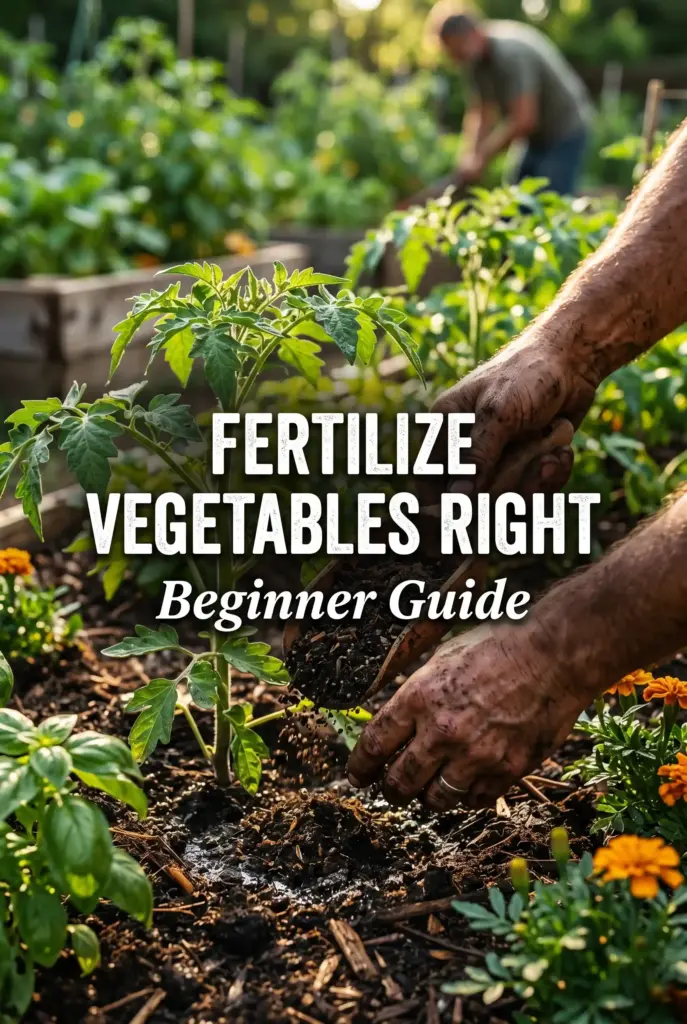
Fertilizing is one of the most important parts of growing healthy, productive vegetables. While sunlight and water are essential, the right nutrients are what truly help your plants grow strong, leafy, and full of fruit. The challenge for beginners is knowing what to use, when to apply it, and how to avoid common mistakes. Too little fertilizer means weak plants and small harvests, while too much can burn roots or damage soil.
This beginner friendly guide covers everything you need to know about fertilizing vegetable plants and getting the biggest, healthiest harvests possible.
Why Vegetables Need Fertilizer
Vegetables grow quickly and use up soil nutrients fast, especially in containers or raised beds. Even good soil eventually needs replenishing.
- Fertilizer replaces nutrients lost to harvests and watering.
- It supports leafy, root, and fruit development.
- It strengthens plants against pests and disease.
- It improves yield and overall plant health.
Healthy soil and regular feeding go hand in hand for a thriving vegetable garden.
Understand the Three Main Nutrients
Every fertilizer label shows three main numbers, often called NPK:
- Nitrogen (N): Promotes leafy, green growth.
- Phosphorus (P): Encourages strong roots and flowers.
- Potassium (K): Improves fruit, disease resistance, and overall plant health.
Plants also need smaller amounts of calcium, magnesium, iron, and other trace minerals. Most balanced fertilizers include these in small quantities.
Organic vs Synthetic Fertilizer
Both types work, but they behave differently.
- Organic: Natural sources like compost, manure, fish emulsion, and bone meal. They release nutrients slowly and improve soil health.
- Synthetic: Chemically formulated with precise nutrient ratios. They act fast but do not feed the soil long term.
Many gardeners use a mix of both, organic for steady soil improvement and synthetic for fast plant boosts.
Common Types of Vegetable Fertilizer
There are several easy fertilizers that work especially well for vegetables:
- Compost: Free and full of nutrients. Works for any vegetable.
- Aged manure: Excellent slow release fertilizer.
- Fish emulsion: Quick boost of nitrogen and trace minerals.
- Worm castings: Mild, gentle, and great for seedlings.
- Bone meal: High in phosphorus, ideal for root crops and tomatoes.
- Liquid kelp: Adds trace minerals and plant hormones.
If you are just getting started, compost and a balanced organic fertilizer are simple and effective.
How to Read a Fertilizer Label
Fertilizer numbers like 10-10-10 represent the percentage of nitrogen, phosphorus, and potassium.
- 10-10-10: Balanced, great for general use.
- 5-10-10: Better for fruiting plants like tomatoes and peppers.
- 20-10-10: High nitrogen, good for leafy greens.
- 10-30-20: Higher phosphorus, perfect for flowering and fruiting stages.
Match the numbers to what you are growing and what stage your plant is in.
Fertilize at the Right Time
Timing matters as much as the type of fertilizer.
- Before planting: Mix compost or balanced fertilizer into the soil.
- During growth: Side dress plants with fertilizer every 3 to 4 weeks.
- Flowering stage: Switch to a higher phosphorus fertilizer.
- Harvest stage: Continue light feeding for ongoing production.
Always water after applying fertilizer to help nutrients reach the roots.
How Often to Fertilize
Different vegetables need different feeding schedules:
- Heavy feeders: Tomatoes, peppers, zucchini, and corn need feeding every 2 to 3 weeks.
- Medium feeders: Cabbage, broccoli, and carrots benefit from monthly feeds.
- Light feeders: Beans, herbs, and leafy greens need very little extra feeding.
Read the seed packet or plant label for specific guidance.
Common Fertilizing Mistakes to Avoid
- Using too much fertilizer, which burns roots.
- Applying fertilizer to dry soil, damaging the plants.
- Feeding plants right before frost or in winter.
- Ignoring soil quality and depending only on synthetic fertilizers.
- Using the wrong NPK blend for your crop.
Healthy soil is the real foundation. Fertilizer is a boost, not a replacement for good soil.
Fertilizing Tomatoes and Peppers
These heavy feeders need steady nutrients for big, tasty fruit. Use a balanced fertilizer at planting, then switch to a higher phosphorus blend when flowers appear. Feed every 2 to 3 weeks. Avoid heavy nitrogen, which causes lots of leaves but few fruits.
Fertilizing Leafy Greens
Lettuce, spinach, and kale grow quickly and benefit from nitrogen rich feeding. Use compost tea, fish emulsion, or balanced fertilizer every 2 weeks. Harvest leaves frequently to encourage new growth.
Fertilizing Root Vegetables
Carrots, beets, and radishes prefer fertilizers higher in phosphorus and lower in nitrogen. Excess nitrogen creates lots of leaves but small or forked roots. Mix bone meal or aged compost into the soil before planting.
Fertilizing Container Vegetables
Container plants need more frequent feeding because watering washes nutrients away faster. Use a slow release fertilizer at planting, then add diluted liquid fertilizer every 2 weeks throughout the season.
Signs Your Plants Need Fertilizer
Plants often show clear signs when they need food:
- Yellowing leaves.
- Slow or stunted growth.
- Pale green color.
- Few flowers or small fruits.
- Weak or floppy stems.
If you see these signs, a gentle feed can quickly turn things around.
Final Thoughts
Fertilizing vegetable plants is one of the easiest ways to boost your harvest and grow healthier crops. The key is balance. Start with quality soil, choose the right fertilizer for your plants, feed at the right times, and watch your garden thrive. Even beginners can grow strong, productive vegetables with just a little knowledge and consistent care.
Apply these tips to your garden this season and discover how a steady feeding routine can transform your plants into a flourishing, productive vegetable patch.