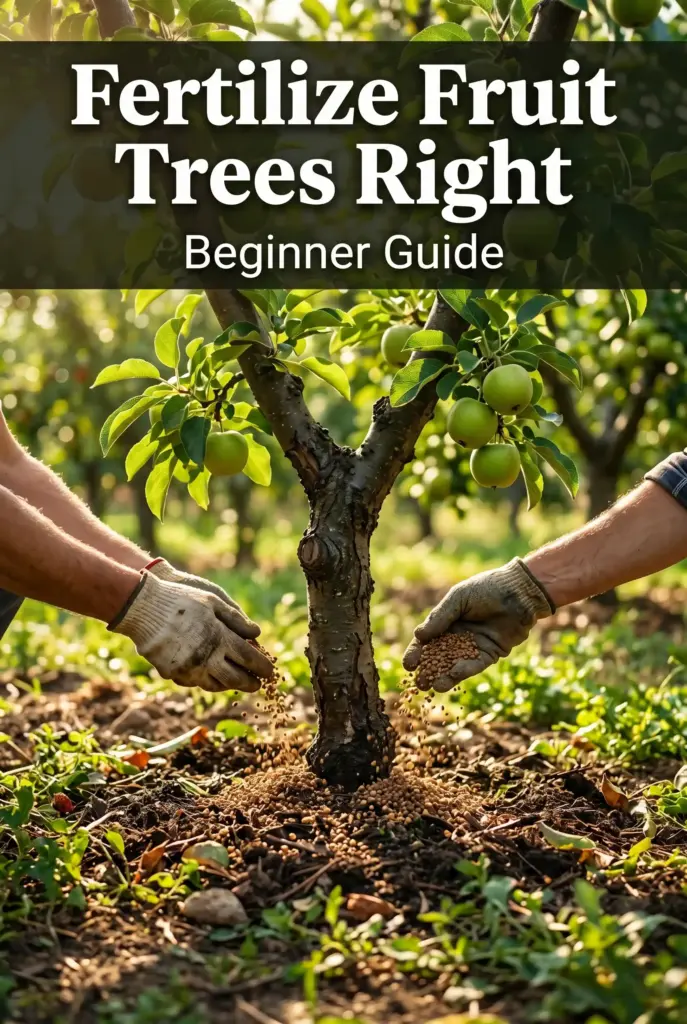
Fertilizing fruit trees is one of the most important steps for growing healthy, productive plants. While trees can survive without extra feeding, regular fertilizing can mean the difference between a small handful of fruit and a generous harvest of sweet, juicy produce. The challenge for beginners is knowing what to use, when to apply it, and how much to give. Too little, and your trees will struggle. Too much, and you can damage the roots or push out weak growth that pests love.
This beginner friendly guide covers everything you need to know about fertilizing fruit trees so they grow strong and produce abundantly each year.
Why Fruit Trees Need Fertilizer
Fruit trees use up soil nutrients season after season. Even rich soil eventually runs low, especially when trees are producing heavy harvests. Fertilizing helps:
- Replace nutrients lost during growth and fruiting.
- Support strong root development.
- Encourage bigger, sweeter fruit.
- Strengthen trees against disease and pests.
- Improve overall tree longevity.
Healthy soil and consistent feeding go hand in hand for thriving fruit trees.
Understanding Tree Nutrients
Like all plants, fruit trees need three main nutrients, often called NPK:
- Nitrogen (N): Promotes strong leaf growth.
- Phosphorus (P): Supports roots and flowering.
- Potassium (K): Encourages fruit development and disease resistance.
They also need smaller amounts of calcium, magnesium, sulfur, and iron. Most balanced fruit tree fertilizers include these trace elements.
When to Fertilize Fruit Trees
Timing matters as much as the type of fertilizer. The best times to feed fruit trees are:
- Early spring as buds begin to swell.
- Late spring after flowering, when fruit is forming.
- Avoid heavy feeding in late summer or fall.
- Skip fertilizer in winter when trees are dormant.
Late season fertilizing pushes new growth that will not survive cold weather, so timing matters.
How Often to Fertilize
Most fruit trees benefit from feeding once or twice a year. Young trees need a little more than established ones, since they are putting energy into building strong roots. Mature trees often need only an annual feed and a healthy layer of compost. Pay attention to your tree. Slow growth, pale leaves, or weak fruiting can signal a need for more nutrients.
Organic vs Synthetic Fertilizers
Both options work, but they have different strengths:
- Organic: Compost, manure, fish emulsion, and bone meal release nutrients slowly and improve soil.
- Synthetic: Granular or liquid fertilizers act quickly with precise nutrient ratios.
Many gardeners prefer organic options because they support long term soil health, but a mix of both works well too.
Best Fertilizers for Fruit Trees
Some of the most popular and effective fertilizers for fruit trees include:
- Compost: Free and full of slow release nutrients.
- Aged manure: Improves soil and provides steady feeding.
- Bone meal: High in phosphorus, great for flowering and root growth.
- Blood meal: Quick nitrogen boost for tired trees.
- Fruit tree spikes: Easy to use and slowly release nutrients.
- Balanced 10-10-10 granular fertilizer: A reliable all purpose option.
If you are unsure where to start, compost mixed with a balanced fruit tree fertilizer is an excellent foundation.
How to Apply Fertilizer
Applying fertilizer correctly makes a big difference. Follow these simple steps:
- Apply fertilizer beneath the tree canopy, not against the trunk.
- Spread evenly in a wide ring under the branches.
- Lightly rake or scratch it into the top inch of soil.
- Water deeply after applying.
Watering helps nutrients reach the roots and prevents fertilizer burn.
How Much Fertilizer to Use
The amount depends on the size and age of your tree:
- Young trees: Use light feedings to avoid burning new roots.
- Mature trees: A general rule is 1 pound of nitrogen per inch of trunk diameter.
- Always read the label and follow recommended doses.
- It is better to slightly under feed than to overdo it.
Excess fertilizer can lead to soft, weak growth and reduce fruit quality.
Mulching for Healthier Trees
A good layer of mulch around the base of your fruit tree is one of the simplest ways to support healthy growth. Mulch holds moisture, blocks weeds, and slowly adds organic matter to the soil. Use 2 to 4 inches of mulch in a wide ring, but keep it a few inches away from the trunk to prevent rot.
Common Fertilizing Mistakes
- Fertilizing too close to the trunk, which can burn roots.
- Using high nitrogen feeds that produce leaves but few fruits.
- Feeding too late in the season, encouraging weak winter growth.
- Skipping fertilizing for several years and expecting big harvests.
- Watering too little after applying fertilizer.
Soil Testing Is a Game Changer
If you want a real understanding of what your trees need, test your soil. Simple home test kits are affordable and easy. They tell you which nutrients are missing and help you choose the right fertilizer. Soil testing every few years is one of the smartest steps a fruit tree gardener can take.
Signs Your Tree Needs Fertilizer
Trees often show clear signs when they are running low on nutrients:
- Pale or yellowing leaves.
- Slow growth or short shoots.
- Smaller, fewer fruits than usual.
- Increased pest problems.
- Weak branch structure.
If you notice these signs, a gentle feed can help bring your tree back to full health.
Final Thoughts
Fertilizing fruit trees is one of the simplest and most effective ways to boost your harvest and keep your trees healthy. Choose the right fertilizer, apply it at the right time, and combine it with good soil care for excellent long term results. Even beginners can grow strong, productive fruit trees with just a little knowledge and steady attention.
Start fertilizing your fruit trees this season and enjoy the reward of bigger blooms, sweeter fruit, and stronger trees year after year.