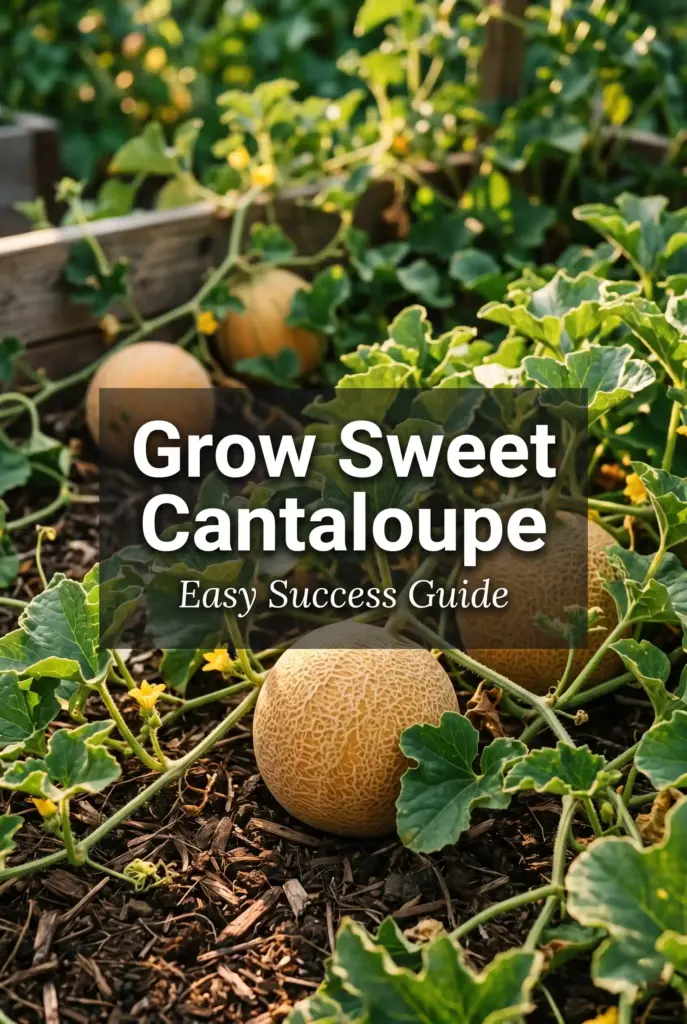
Few summer fruits taste as sweet and refreshing as a homegrown cantaloupe. The aroma of a ripe melon fresh from the vine is unforgettable, and the juicy, sweet flesh is a treat you can only fully appreciate when you grow it yourself. While cantaloupes have a reputation for being tricky, they are actually quite simple to grow once you understand what they love. With sunshine, warm soil, and steady care, even a beginner can grow big, sweet melons in a backyard or raised bed.
Here are the best tips for growing sweet cantaloupe successfully and enjoying a delicious harvest.
Choose the Right Variety
Cantaloupes come in several varieties suited to different climates and spaces:
- Hales Best Jumbo: Classic sweet cantaloupe with reliable yields.
- Ambrosia: Extra sweet flesh with rich flavor.
- Minnesota Midget: Compact vines, perfect for small gardens.
- Sugar Cube: Personal sized melons with intense sweetness.
If your space is limited, choose a compact variety like Minnesota Midget or Sugar Cube.
Pick the Right Spot
Cantaloupes love heat and sunshine. Choose a spot that:
- Receives at least 6 to 8 hours of direct sun each day.
- Has rich, well-drained soil.
- Is sheltered from strong winds.
- Has plenty of room for vines to spread.
Cantaloupe vines can stretch 6 to 10 feet, so plan accordingly.
Prepare the Soil
Healthy soil is the foundation of sweet, juicy melons:
- Mix in 2 to 3 inches of compost.
- Aim for a pH between 6.0 and 6.8.
- Add a slow release fertilizer at planting.
- Loosen the soil to a depth of at least 12 inches.
Cantaloupes are heavy feeders, so the richer the soil, the better.
When to Plant Cantaloupe
Cantaloupes hate cold weather. Plant only after the soil reaches at least 70 degrees Fahrenheit and all danger of frost has passed. In short season areas, start seeds indoors 3 to 4 weeks before the last frost. In warm climates, you can sow seeds directly in the garden.
How to Plant Cantaloupe
Cantaloupes grow best in raised hills or mounds, which warm up faster and drain better:
- Make hills 4 to 6 feet apart.
- Plant 4 to 5 seeds per hill, an inch deep.
- Thin to the 2 strongest seedlings once they grow.
- Water gently after planting.
Hill planting also helps prevent root rot in heavy soils.
Watering Cantaloupe
Cantaloupes need lots of water, but timing is important:
- Aim for 1 to 2 inches of water per week.
- Water deeply at the base of the plant.
- Reduce watering once fruit starts ripening for sweeter flavor.
- Avoid wet leaves to prevent disease.
Mulch around the base to lock in moisture and keep weeds down.
Feeding for Sweetness
Cantaloupes benefit from steady feeding:
- Use a balanced fertilizer at planting.
- Switch to phosphorus and potassium rich blends when flowers form.
- Avoid high nitrogen, which produces leaves but few fruits.
- Compost tea every 2 weeks works wonderfully.
Pollination Tips
Cantaloupes rely on bees for pollination. Encourage pollinators by avoiding pesticides during flowering and planting bee friendly flowers nearby. If pollination is poor, you can hand pollinate by transferring pollen between male and female flowers using a small brush.
Common Cantaloupe Problems
- Powdery mildew: Improve airflow and water at the base.
- Bitter or bland fruit: Often from over watering near harvest.
- Cucumber beetles: Use row covers early in the season.
- Blossom end rot: Caused by uneven watering or low calcium.
How to Tell When Cantaloupe Is Ripe
Picking at the right time is the secret to sweet, fragrant melons. Look for these signs of ripeness:
- The skin turns from green to tan or beige.
- The melon gives off a sweet, fragrant aroma.
- The stem easily separates from the fruit with a gentle tug.
- The blossom end of the fruit feels slightly soft.
Picking too early gives bland, hard melons, so wait for the full ripening signs.
Storing Fresh Cantaloupe
Whole cantaloupes keep for about a week at room temperature. Once cut, store in the fridge for up to 3 days. You can also freeze chunks for smoothies or dehydrate slices for snacks.
Final Thoughts
Growing sweet cantaloupe at home is a fun and rewarding gardening project. With sunshine, warm soil, steady watering, and a little patience, your vines will reward you with juicy, fragrant melons that taste far better than anything from the store. Whether you grow them on the ground or vertically with strong supports, cantaloupes are well worth the effort.
Plant a few seeds this season, follow these tips, and enjoy the unmatched sweetness of homegrown cantaloupe straight from your own garden.