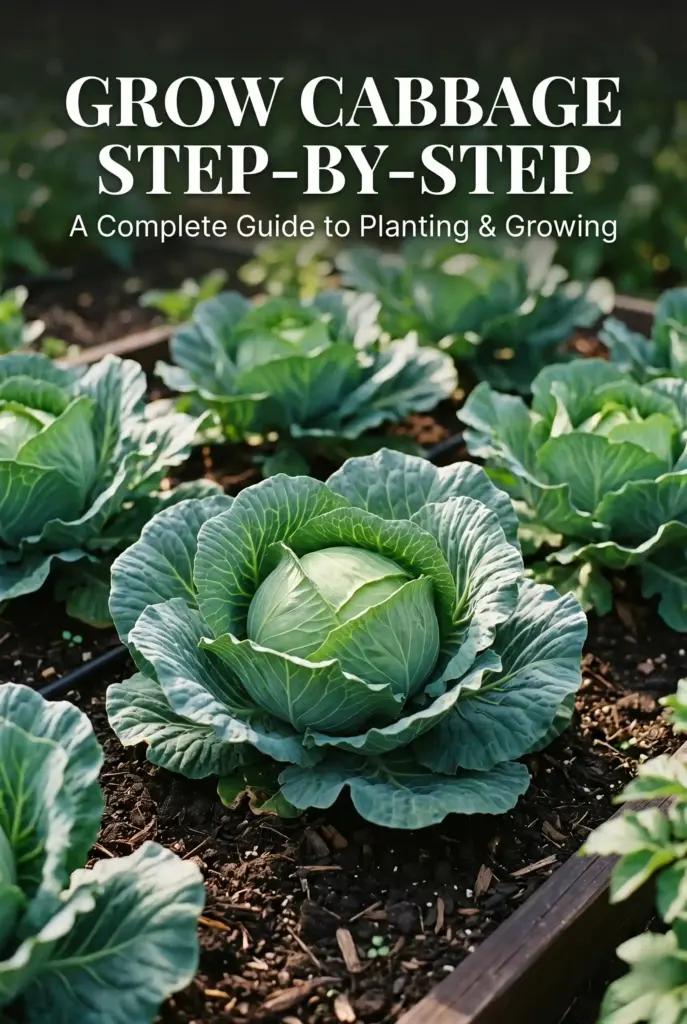
Cabbage is one of the most rewarding vegetables you can grow at home. It is hardy, productive, and offers big leafy heads that are perfect for soups, stir fries, salads, and homemade sauerkraut. Better yet, cabbage is surprisingly easy to grow once you understand what it needs. With a little planning and care, you can enjoy a steady supply of fresh cabbage for months.
This step by step guide will walk you through everything you need to know to grow cabbage successfully, even if this is your first vegetable garden.
Choose the Right Cabbage Variety
Cabbage comes in many shapes, colors, and sizes. Picking the right variety for your climate and garden space makes a big difference.
- Green cabbage: The most common type, great for all purposes.
- Red cabbage: Adds color to salads and holds up well in storage.
- Savoy cabbage: Crinkled leaves with a tender texture and mild flavor.
- Napa cabbage: Longer, looser heads, perfect for Asian dishes.
For beginners, green cabbage varieties like Early Jersey Wakefield or Golden Acre are reliable and easy to grow.
Timing Your Planting
Cabbage is a cool season crop. It grows best in spring and fall when temperatures are mild.
- Spring planting: Start seeds indoors 6 to 8 weeks before the last frost.
- Transplant outdoors 2 to 3 weeks before the last frost.
- Fall planting: Start seeds in mid summer for a fall harvest.
- Avoid midsummer planting in hot regions, which causes bolting.
Cabbage grows best when daytime temperatures stay between 60 and 70 degrees Fahrenheit.
Prepare the Soil
Cabbage is a heavy feeder that grows best in rich, fertile soil with plenty of organic matter.
- Work 2 to 3 inches of compost into the top 8 inches of soil.
- Aim for a soil pH between 6.5 and 7.5.
- Choose a spot with full sun, at least 6 hours of direct light per day.
- Do not plant where cabbage family crops grew last year.
Strong soil gives you strong cabbage heads with fewer pest problems.
How to Plant Cabbage
You can start cabbage from seeds indoors or buy young transplants. Transplants are faster and easier for first time growers.
- Plant transplants 12 to 18 inches apart in rows 24 to 36 inches apart.
- Set each plant at the same depth it was in its pot.
- Firm the soil around the base and water thoroughly.
- Mulch around the plants to retain moisture and reduce weeds.
Closer spacing gives smaller heads, while wider spacing allows each plant to reach its full size.
Watering Cabbage
Cabbage needs consistent moisture to form tight, firm heads. Give your plants about 1 to 1.5 inches of water per week, more during hot spells. Water at the base rather than overhead to reduce the risk of fungal disease. Mulch helps keep the soil evenly moist and cool.
Feeding for Big Heads
Feed cabbage every 3 to 4 weeks with a balanced fertilizer or compost tea. Nitrogen rich fertilizer in the early stages helps produce large leaves, while a more balanced formula later supports head development. Stop fertilizing once the head is nearly full size.
Protecting from Pests
Cabbage attracts several common pests, but most are easy to control with simple methods.
- Cabbage worms: Small green caterpillars. Use row covers or hand pick them.
- Aphids: Spray with soapy water or a strong stream of water.
- Cabbage loopers: Handpick or treat with neem oil.
- Flea beetles: Leave tiny holes in leaves. Use row covers early in the season.
Checking your plants weekly helps catch pest problems before they spread.
Common Cabbage Problems
- Splitting heads: Caused by sudden heavy watering after dry spells.
- Loose heads: Often a sign of warm weather or too much nitrogen.
- Yellow leaves: Usually nutrient deficiency or over watering.
- Bolting: Plants send up flower stalks in hot weather.
When to Harvest
Cabbage is ready to harvest when the heads feel firm and solid. Gently press the top. If it feels tight, it is ready. Most varieties mature in 70 to 100 days after transplanting.
Cut the head at the base with a sharp knife, leaving the outer leaves and roots in the ground. In some cases, small secondary heads will grow from the remaining base.
Storing Fresh Cabbage
Whole cabbage heads store well in a cool, humid place for several weeks. In the refrigerator, they can last up to 2 months. You can also preserve cabbage through fermentation by making sauerkraut or kimchi, which is a great way to enjoy your harvest for months.
Final Thoughts
Growing cabbage at home is simple, satisfying, and productive. With rich soil, steady water, and a little pest control, your plants will reward you with big, flavorful heads. Whether you cook it, ferment it, or use it fresh, homegrown cabbage is always a step above what you find in stores.
Start small this season, follow these steps, and enjoy the joy of growing your own cabbage from seed to harvest.