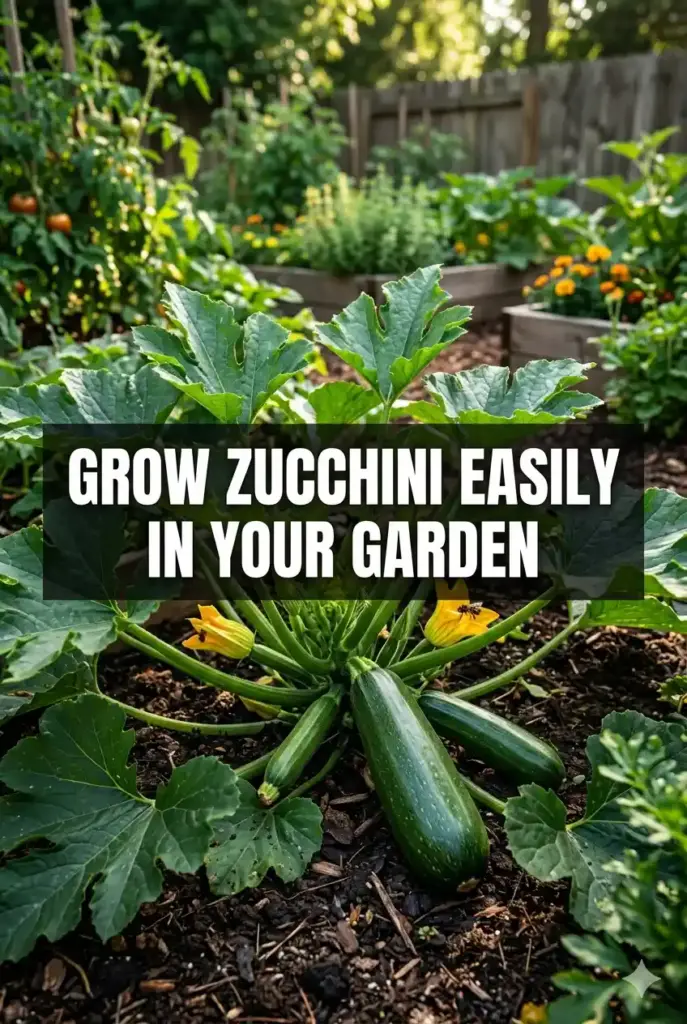
Zucchini is one of the easiest and most productive vegetables you can grow in a home garden. A single healthy plant can produce pounds of tender, mild squash all summer long. It is so generous that most gardeners end up sharing with neighbors, friends, and anyone willing to take a few. If you are new to gardening and want a plant that rewards you quickly, zucchini is a perfect choice.
This guide shows you exactly how to grow zucchini easily, step by step, so you can enjoy a steady harvest without guesswork.
Choose the Right Zucchini Variety
There are many zucchini varieties, and picking the right one makes a real difference. Some are compact for small spaces, while others sprawl widely.
- Black Beauty: A classic, reliable variety with dark green fruit.
- Costata Romanesco: Italian heirloom with ribbed shape and rich flavor.
- Golden zucchini: Bright yellow fruits that are easy to spot under the leaves.
- Raven: A compact hybrid with high yields, great for small gardens.
If you are just starting out, Black Beauty is hard to beat. It grows quickly and produces lots of fruit with very little fuss.
Pick a Sunny Spot
Zucchini needs full sun to thrive. Give it a spot with at least 6 to 8 hours of direct sunlight every day. Less sun means fewer flowers and smaller fruits. If you have a choice, pick a location with some morning sun and afternoon warmth.
Prepare the Soil
Zucchini loves rich, fertile soil that drains well. Before planting, work 2 to 3 inches of compost into the top 8 inches of soil. The perfect pH range is between 6.0 and 7.5. If your soil is heavy clay, add compost and a bit of coarse sand to improve drainage.
When to Plant Zucchini
Zucchini is warm weather loving and hates frost. Wait until nighttime temperatures are consistently above 55 degrees Fahrenheit before planting. In most regions, this means late spring after the last frost. If you want an earlier harvest, start seeds indoors about 3 weeks before your last frost.
How to Plant Zucchini
You can grow zucchini from seed directly in the garden, which is the simplest approach. Follow these steps:
- Plant 2 to 3 seeds per spot, 1 inch deep.
- Space plants 24 to 36 inches apart to give them room to grow.
- Water gently after planting to settle the soil.
- Once seedlings have their first true leaves, thin to the strongest plant.
For gardens with very little space, try growing zucchini vertically with a sturdy stake. This keeps the plant compact and makes harvesting easier.
Watering Zucchini the Right Way
Zucchini plants are thirsty. Give them about 1 to 2 inches of water per week, more during heat waves. Water deeply at the base, not on the leaves, to reduce the risk of powdery mildew. A layer of mulch helps keep soil moisture steady and stops weeds.
Feeding Your Plants
A single zucchini plant can produce dozens of fruits, so it needs fuel. Feed every 2 to 3 weeks with a balanced fertilizer or compost tea. Once flowers start to form, switch to a formula higher in phosphorus and potassium to support fruit production.
Pollination Tips
Zucchini has male and female flowers on the same plant. Bees usually handle pollination, but if you notice tiny fruits that shrivel and fall off, it often means pollination failed. You can hand pollinate by transferring pollen from a male flower (long thin stem) to a female flower (tiny fruit at the base) using a small brush.
Common Problems
- Powdery mildew: White coating on leaves. Improve airflow and water at the base.
- Squash bugs: Hand pick them or use row covers early in the season.
- Blossom end rot: Caused by inconsistent watering or calcium deficiency.
- Yellow leaves: Often from over watering or nitrogen shortage.
Harvesting Zucchini
Zucchini grows fast, sometimes doubling in size overnight. Check your plants daily once they start fruiting. Pick fruits when they are 6 to 8 inches long for the best flavor and tenderness. Larger zucchini become tough and seedy.
Frequent picking signals the plant to keep producing more fruits. If you skip a few days, you may find giant zucchini hiding under the leaves.
Storing and Using Zucchini
Fresh zucchini keeps for about a week in the fridge. You can also slice and freeze it, shred it for baking, or spiralize it into noodles. It works in almost any meal: grilled, roasted, sauteed, baked into breads, or tossed into stews.
Final Thoughts
Zucchini is the ultimate easy garden crop. With full sun, rich soil, steady water, and daily picking, you will be rewarded with a huge harvest from just one or two plants. Whether you grow it in a big garden or a raised bed, zucchini is a beginner friendly plant that teaches you just how fun and productive vegetable gardening can be.
Plant a seed, give it a little care, and get ready for a summer full of fresh zucchini meals.