Lettuce is one of the easiest and fastest growing vegetables you can plant at home. A small patch can keep your salads fresh for weeks, and the best part is how simple it is to grow. You can have crisp, tender leaves just a few weeks after planting, without needing a big garden or expensive equipment.
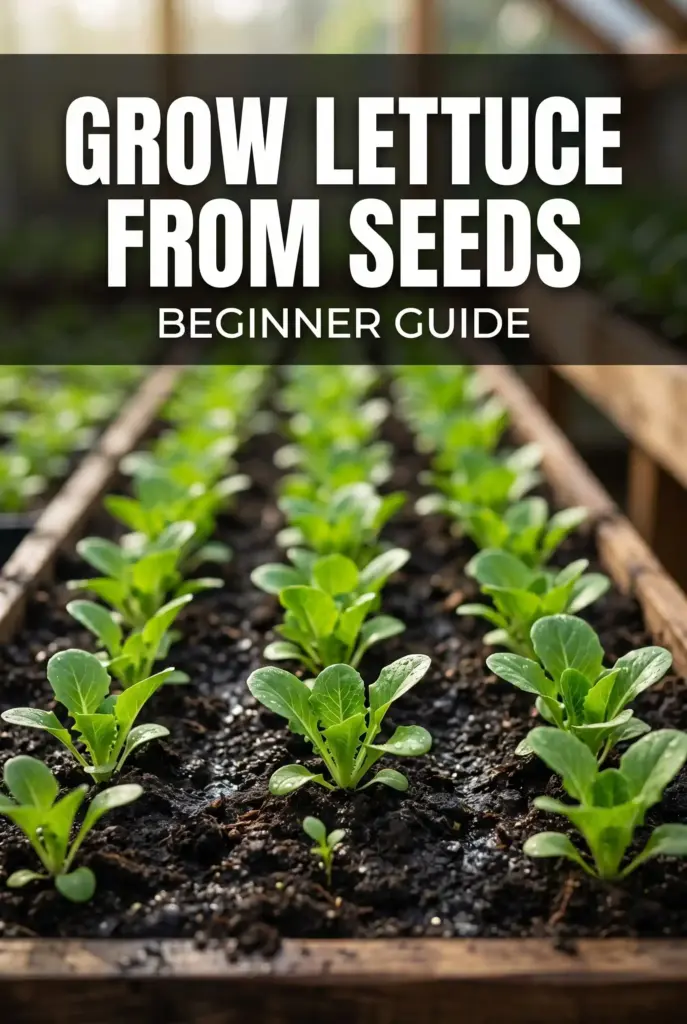
This beginner guide walks you through exactly how to grow lettuce from seeds, from picking varieties to harvesting your first leaves.
Choose the Right Lettuce Variety
Lettuce comes in many shapes and flavors. Choose a type that matches your taste and climate.
- Loose leaf: Fast growing with tender leaves. Great for continuous harvests.
- Romaine: Tall, crunchy leaves perfect for Caesar salads.
- Butterhead: Soft, buttery leaves that form loose heads.
- Crisphead: Classic iceberg style, forms tight round heads.
For beginners, loose leaf varieties like Black Seeded Simpson or Red Salad Bowl are the easiest and most forgiving.
When to Plant Lettuce
Lettuce is a cool season crop. It grows best in spring and fall, when daytime temperatures are between 60 and 70 degrees Fahrenheit. In hot weather, plants bolt quickly and turn bitter.
- Spring: Sow seeds 2 to 4 weeks before your last frost.
- Fall: Start seeds 8 weeks before your first frost.
- Summer: Grow in partial shade or cooler microclimates.
- Winter: Grow indoors or in a cold frame for year round harvest.
Succession planting, sowing new seeds every 2 weeks, keeps your harvest going without gaps.
Prepare Loose, Rich Soil
Lettuce has shallow roots and grows best in loose, fertile soil. Before planting:
- Mix in 2 inches of compost to improve texture and nutrients.
- Make sure the soil drains well to prevent root rot.
- Aim for a pH between 6.0 and 7.0.
- Break up large clumps so tiny seeds can sprout easily.
If your soil is heavy clay, grow lettuce in raised beds or containers with quality potting mix.
How to Sow Lettuce Seeds
Lettuce seeds are tiny but easy to plant. Follow these simple steps:
- Scatter seeds lightly on top of the soil.
- Cover with just a quarter inch of fine soil or compost.
- Gently press the soil down to improve seed contact.
- Water with a fine mist to avoid washing seeds away.
Seeds need light to germinate, so do not bury them too deep. You will see sprouts in 7 to 14 days.
Thinning Your Seedlings
Once seedlings are a few inches tall, thin them out so each plant has enough space. For leaf lettuce, thin to 4 to 6 inches apart. For head varieties, thin to 8 to 12 inches apart. You can eat the thinned seedlings as baby greens. They are delicious in salads.
Watering and Sunlight
Lettuce likes consistent moisture but hates soggy soil. Water lightly and often, aiming for about 1 inch of water per week. Mulch with straw or shredded leaves to keep the soil cool and moist.
Give your lettuce at least 4 to 6 hours of sunlight each day. In hot weather, afternoon shade helps prevent bolting.
Feeding Your Lettuce
Lettuce grows fast and benefits from a light, steady feed. Use a diluted liquid fertilizer or compost tea every 2 to 3 weeks. Avoid heavy chemical fertilizers, which can make the leaves taste bitter or burn the roots.
Growing Lettuce in Containers
Lettuce grows beautifully in pots or balcony planters. Choose a container at least 6 inches deep with drainage holes. Use a quality potting mix and plant seeds the same way as in the ground. Container lettuce needs more frequent watering since the soil dries faster.
Common Problems and Solutions
- Bolting: Caused by heat. Grow in cooler seasons or shaded spots.
- Bitter leaves: Often from hot weather or uneven watering.
- Slugs and snails: Use traps or diatomaceous earth around plants.
- Aphids: Spray with soapy water or attract ladybugs.
Harvesting Lettuce
You can start harvesting leaf lettuce when the plants are about 4 inches tall. Simply snip the outer leaves and let the center keep growing. This cut and come again method keeps your plants producing for weeks.
For head lettuce, cut the entire plant at the base when the head is full and firm. Harvest in the morning when leaves are crispest.
Storing Fresh Lettuce
Wash the leaves gently and dry them well, then store in a sealed bag or container in the fridge. Fresh homegrown lettuce stays crisp for up to a week. For longer storage, wrap leaves in a paper towel before bagging them.
Final Thoughts
Growing lettuce from seeds is one of the most rewarding gardening projects for beginners. It is fast, simple, and gives you fresh greens for weeks. With just a small space, a little water, and a bit of sunshine, you can enjoy crisp, homegrown salads throughout the year.
Plant your first batch today, and soon you will wonder why anyone buys lettuce at the store.