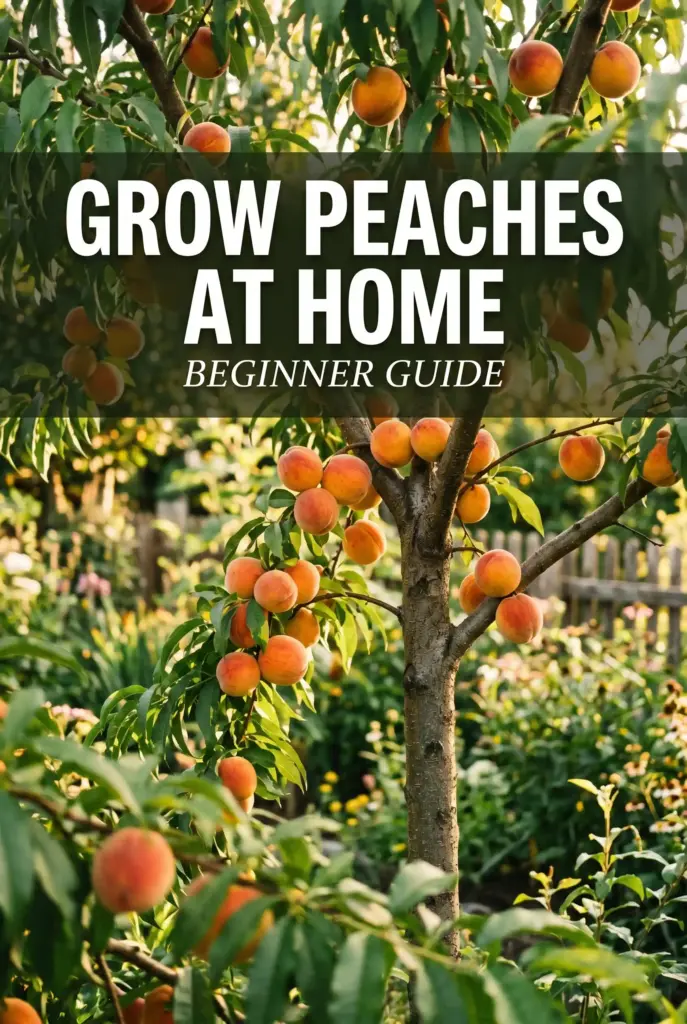
Few fruits are as delicious as a peach picked straight from your own tree. Sweet, juicy, and bursting with flavor, homegrown peaches are far better than anything you can buy at the store. While peach trees seem fancy, they are actually beginner friendly and can produce fruit within just a few years. Whether you have a backyard, a small lot, or even space for a large pot on a sunny patio, you can grow your own peach tree successfully.
Here is your complete beginner guide to growing peaches at home and enjoying a sweet harvest each summer.
Choose the Right Peach Variety
Peach trees come in two main types based on flesh:
- Freestone: Flesh easily separates from the pit. Great for fresh eating.
- Clingstone: Flesh sticks to the pit. Often used for canning.
Popular varieties for home gardens include:
- Elberta: Classic peach with sweet flavor.
- Reliance: Cold hardy and dependable.
- Bonanza: Dwarf variety perfect for containers.
- Redhaven: Beginner friendly and productive.
Choose a variety suited to your climate, since peaches need a certain amount of cold each winter to fruit well.
Pick the Right Spot
Peach trees love sunshine and well-drained soil. Choose a location with:
- At least 6 to 8 hours of direct sunlight per day.
- Loose, well-draining soil.
- Protection from strong winds.
- Good air circulation to prevent disease.
Avoid low areas where cold air settles, since spring frosts can damage early blooms.
Prepare the Soil
Peach trees grow best in fertile, slightly acidic soil. Before planting:
- Loosen the soil to a depth of 18 to 24 inches.
- Mix in compost for better fertility.
- Aim for a pH between 6.0 and 6.5.
- Avoid heavy clay or soggy spots.
Healthy soil supports strong roots and long lasting trees.
When to Plant a Peach Tree
The best time to plant a peach tree is in early spring or late fall, while the tree is dormant. This gives the roots time to establish before the growing season. Bare root trees should be planted right away after purchase. Potted trees can be planted any time the ground is workable.
How to Plant Peach Trees
Planting a peach tree is straightforward:
- Dig a hole twice as wide and just as deep as the root ball.
- Loosen the soil at the bottom and sides.
- Place the tree so the graft union sits 2 inches above ground.
- Spread the roots gently and fill with soil.
- Water deeply and add a layer of mulch.
Stake young trees if your area is windy. This protects the trunk while roots establish.
Watering Your Peach Tree
Young peach trees need consistent watering during the first two years. Aim for 1 to 2 inches of water per week, more during dry spells. Once established, peach trees become more drought tolerant but still benefit from deep watering, especially during fruit development. Mulch around the base to lock in moisture and reduce weeds.
Fertilizing Peach Trees
Peach trees benefit from regular feeding for healthy growth and lots of fruit:
- Apply balanced fertilizer in early spring.
- Feed again 6 weeks later for continued growth.
- Use compost or aged manure each year.
- Avoid heavy nitrogen, which causes leafy growth and fewer peaches.
Light, regular feedings work better than heavy occasional ones.
Pruning for Better Fruit
Pruning is one of the most important skills for peach growers. It encourages strong branches, better airflow, and bigger fruit. Prune in late winter while the tree is dormant:
- Remove dead, damaged, or crossing branches.
- Open the center of the tree for sunlight and air.
- Shorten long shoots to encourage side growth.
- Aim for a bowl shape, called open vase.
Light annual pruning is much better than waiting and tackling an overgrown tree.
Thinning the Fruit
Peach trees often produce more fruit than they can support. Thinning is the secret to bigger, sweeter peaches. After the fruit forms, remove smaller ones so each peach has 6 to 8 inches of space on the branch. This may seem harsh, but the remaining fruits grow much larger and sweeter.
Common Pests and Diseases
- Peach leaf curl: Spray with copper fungicide in late winter.
- Aphids: Spray with soapy water or attract ladybugs.
- Brown rot: Remove infected fruit and improve airflow.
- Borers: Look for sap or holes in the trunk and treat early.
Protecting Spring Blossoms
Peach blossoms can be damaged by late frost. Cover young trees with cloth or sheets when frost is forecast. Choosing late blooming varieties also helps protect fruit in cool climates.
Container Peach Trees
If space is tight, dwarf peach varieties like Bonanza grow well in pots. Use a container at least 18 to 24 inches deep and wide, with plenty of drainage. Container trees need more frequent watering and feeding than ground planted ones.
When to Harvest Peaches
Peaches usually ripen in mid to late summer. Look for these signs of ripeness:
- The fruit is firm but slightly soft to the touch.
- The color turns deep yellow or red, depending on the variety.
- It has a sweet, fragrant smell.
- The peach pulls easily from the branch with a gentle twist.
Pick gently to avoid bruising, and eat fresh or preserve quickly.
Final Thoughts
Growing peaches at home is one of the most satisfying gardening projects you can take on. With sunshine, well-drained soil, regular feeding, and proper pruning, your tree will reward you with armloads of sweet, juicy fruit each summer. Even beginner gardeners can grow peaches successfully with a little patience and steady care.
Plant a peach tree this season, follow these tips, and look forward to enjoying the unmatched joy of biting into a peach you grew yourself.