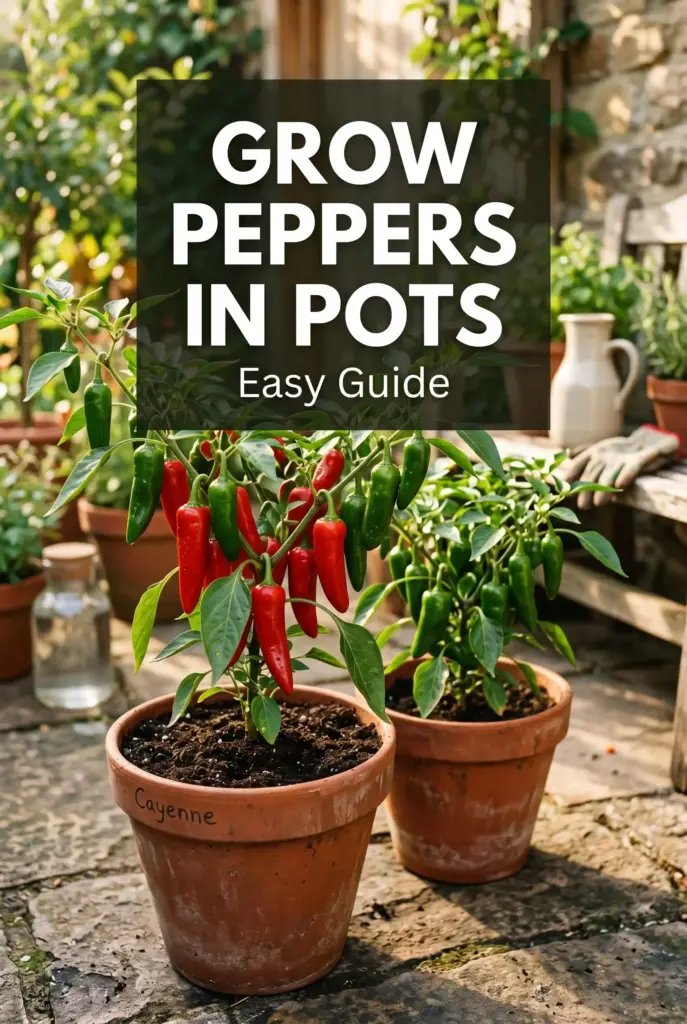
Peppers are one of the most rewarding vegetables you can grow in pots. They love warmth, do not need a lot of space, and produce colorful, flavorful fruit all summer long. Whether you love sweet bell peppers or spicy chilies, container growing is a fantastic way to enjoy a steady harvest from a balcony, patio, or sunny window. With a little care, even a beginner can grow tall, productive plants loaded with peppers.
Here is your complete easy guide to growing peppers in pots successfully.
Why Grow Peppers in Pots
Container growing has some real advantages, especially for pepper plants:
- It works well in small spaces like balconies and patios.
- Peppers love warmth, and pots retain heat better than ground beds.
- You can move pots to follow the sun or escape cold weather.
- It is easier to control soil quality and pests.
- It looks beautiful, especially with colorful varieties.
Pepper plants are naturally compact, making them perfect for container life.
Choose the Right Variety
All peppers can grow in pots, but some are better suited than others:
- Bell peppers: Sweet, colorful, and crunchy.
- Cayenne: Classic spicy pepper with reliable yields.
- Jalapeno: Compact and great for beginners.
- Banana peppers: Mild and very productive.
- Habanero: Hot, flavorful, and beautiful in containers.
If this is your first season, try jalapenos or bell peppers, which are forgiving and easy to grow.
Pick the Right Pot
Pepper plants grow strong roots and need enough room to stretch out:
- Use a pot at least 12 to 16 inches deep and wide.
- Choose containers with several drainage holes.
- Fabric grow bags work very well.
- Plant only one pepper per pot for best results.
Bigger pots equal bigger harvests. Avoid small containers that limit root growth.
Use Quality Soil
Peppers need rich, well-draining soil to thrive. A good potting mix is essential.
- Use a high quality potting mix designed for vegetables.
- Mix in compost for extra nutrients.
- Add a slow release organic fertilizer at planting.
- Aim for a pH between 6.0 and 6.8.
Avoid plain garden soil, which compacts in pots and suffocates roots.
Sun Requirements
Peppers love sunshine. Place pots in a spot that receives at least 6 to 8 hours of direct sun per day. A south facing balcony or open patio is ideal. Less sun results in fewer flowers and smaller fruit. In very hot regions, light afternoon shade can prevent stress on extremely hot days.
Planting Pepper Seedlings
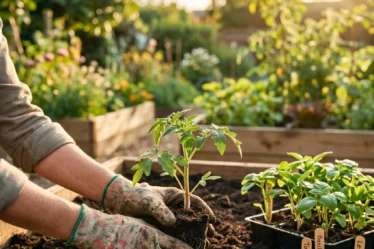
Peppers love warmth and should only be transplanted outdoors when nighttime temperatures stay above 55 degrees Fahrenheit. Follow these steps:
- Fill the pot with soil mix, leaving an inch from the top.
- Dig a hole and place the seedling at the same depth as in its original pot.
- Gently firm soil around the base.
- Water deeply right after planting.
Add a layer of mulch to keep moisture steady and the soil cool.
Watering Container Peppers
Peppers need consistent moisture, but they hate soggy roots. Container plants dry out faster than ground plants:
- Check soil daily, especially in hot weather.
- Water deeply when the top inch of soil feels dry.
- Avoid overhead watering to prevent disease.
- Mulch the surface to slow evaporation.
Uneven watering causes blossom end rot, where the bottom of the fruit turns black.
Feeding Your Plants
Peppers are heavy feeders and benefit from steady nutrition:
- Use a balanced fertilizer every 2 to 3 weeks.
- Switch to a phosphorus rich blend when flowers appear.
- Compost tea is great for gentle, steady feeding.
- Avoid too much nitrogen, which causes leafy growth and fewer peppers.
Healthy soil and regular feeding lead to bigger, more flavorful peppers.
Support Your Plants
Pepper plants can become top heavy when loaded with fruit. A simple stake or small cage prevents broken stems. Place support at planting time so you do not damage the roots later. Tie stems loosely with soft twine.
Pollination Tips
Peppers are self pollinating, but they sometimes need a little help, especially indoors or on calm balconies. Gently shake the plants daily or tap the flowers to release pollen. Bees and wind do most of the work outside, but a quick assist can boost your harvest.
Common Problems and Solutions
- Yellow leaves: Often nutrient deficiency or over watering.
- Blossom end rot: Caused by uneven watering or low calcium.
- Sunscald: White patches on fruit. Provide some leaf cover.
- Aphids and pests: Spray with soapy water or use neem oil.
Letting Peppers Ripen
All peppers start green and turn yellow, orange, or red as they ripen. While you can pick them green, ripe peppers are sweeter and more flavorful. Letting them mature on the plant takes a few extra weeks but is well worth the wait.
Harvesting Peppers
Harvest peppers when they are firm, glossy, and the right size for your variety. Use scissors or pruners to cut the stem, never pull, since pulling can damage the plant. Regular harvesting encourages the plant to keep producing more fruit.
Storing Fresh Peppers
Fresh peppers stay crisp for about a week in the fridge. For longer storage, slice and freeze them, dry them in a dehydrator, or roast and preserve them in oil. Homegrown peppers taste far better than store bought and add wonderful flavor to any dish.
Final Thoughts
Growing peppers in pots is simple, rewarding, and incredibly productive. With the right pot, quality soil, plenty of sun, steady watering, and regular feeding, your container peppers can produce piles of beautiful, flavorful fruit. Whether sweet or spicy, homegrown peppers are a joy to grow and a treat to eat.
Plant a few peppers this season, follow these tips, and enjoy fresh, colorful harvests right from your own patio or balcony.