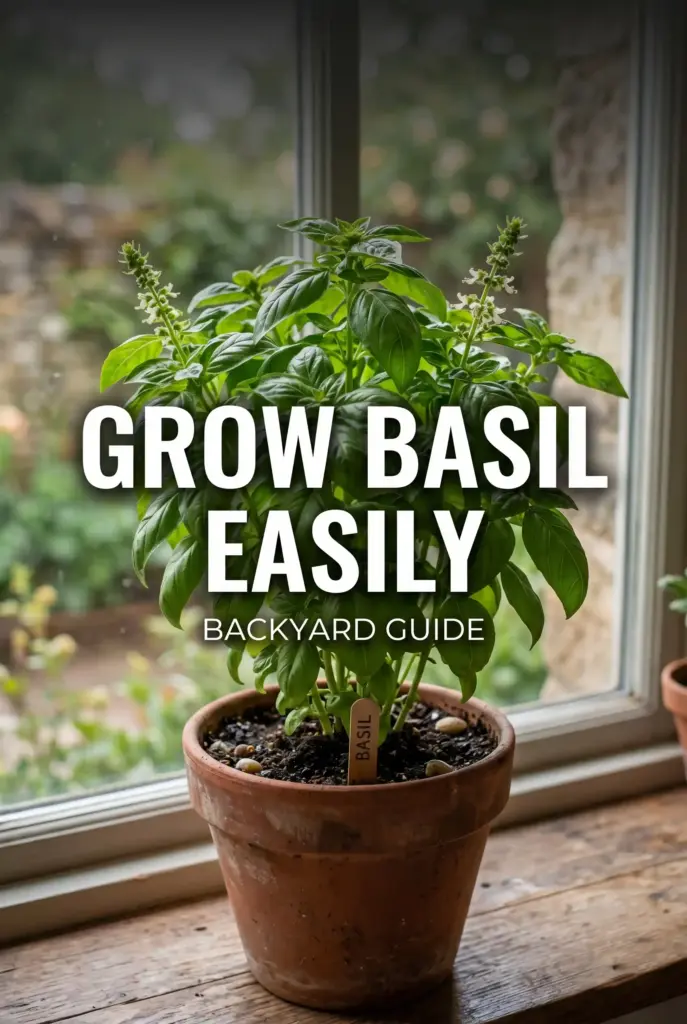
Basil is one of the most popular herbs to grow at home, and for good reason. Its fresh, sweet aroma fills the garden, and its tender leaves are perfect for pasta, pizza, salads, and homemade pesto. Best of all, basil is incredibly easy to grow, even for beginners. Whether you have a big backyard, a sunny porch, or a small kitchen window, you can grow lush, productive basil plants with very little effort.
Here is your complete backyard gardening guide to growing basil successfully and enjoying fresh, fragrant leaves all season long.
Why Grow Basil at Home
Homegrown basil has many advantages over store bought:
- It is fresher, tastier, and more aromatic.
- It saves money since basil is expensive to buy fresh.
- You can pick exactly what you need for each meal.
- It is fast growing and rewarding.
- It works in pots, raised beds, and gardens.
A single basil plant can keep your kitchen stocked with fresh leaves for weeks.
Choose the Right Variety
Basil comes in many varieties, each with its own flavor and look:
- Sweet basil: The classic Italian type, perfect for cooking.
- Genovese basil: Large leaves with a rich pesto flavor.
- Thai basil: Spicy, anise like flavor for Asian dishes.
- Lemon basil: Bright citrus aroma.
- Purple basil: Beautiful color with mild flavor.
Beginners often start with sweet or Genovese basil, which are the easiest and most versatile.
When to Plant Basil
Basil is a warm weather herb. It hates cold and frost. Plant only after nighttime temperatures stay above 50 degrees Fahrenheit, usually in late spring. In hot climates, you can plant in early fall for a cooler season crop.
Sunlight Requirements
Basil loves sunshine. Give it at least 6 to 8 hours of direct sunlight per day for the best growth and flavor. A sunny backyard, balcony, or south facing window all work well. Less sun means smaller leaves and weaker plants.
Prepare the Soil
Basil grows best in rich, well-drained soil with plenty of organic matter:
- Mix in compost for steady nutrients.
- Aim for a pH between 6.0 and 7.0.
- Loosen the soil deeply so roots can spread.
- Avoid heavy clay or soggy spots.
If growing in pots, use a quality potting mix and add a slow release fertilizer at planting.
Starting Basil from Seed
Basil grows easily from seed or transplants. To start from seed:
- Sow seeds about a quarter inch deep.
- Keep the soil moist until they sprout in 5 to 10 days.
- Provide warmth, around 70 degrees Fahrenheit, for fast germination.
- Thin seedlings once they have 2 sets of leaves.
Starting indoors 4 to 6 weeks before transplanting gives you a strong head start.
Spacing Your Plants
Basil plants need a little space to spread out. Plant them 10 to 12 inches apart in rows or pots. Crowded plants struggle with air flow and become more prone to disease. In a large pot, 2 to 3 plants are usually plenty.
Watering Basil
Basil loves consistent moisture but does not like soggy roots. Water when the top inch of soil feels dry. In hot weather, basil may need water every day, especially in pots. Always water at the base of the plant rather than overhead, which can cause disease.
Feeding Basil
Basil is a moderate feeder. Light, regular feeding keeps the leaves lush and flavorful. Use a diluted liquid fertilizer or compost tea every 3 to 4 weeks. Avoid heavy synthetic fertilizers, which can dilute the flavor of the leaves.
Pinching for Bushier Growth
This is the most important basil tip. Once the plant is 6 inches tall, pinch off the top set of leaves just above a leaf pair. This encourages the plant to branch out and grow bushier. Pinch regularly throughout the season for thick, productive plants.
Removing Flower Buds
If you see flower buds forming, snip them off right away. Once basil flowers, the leaves lose flavor and the plant slows down. Removing buds keeps the plant focused on producing leaves rather than seeds.
Common Basil Problems
- Yellow leaves: Often caused by over watering or cool weather.
- Wilting: Usually a sign the soil is too dry.
- Aphids and pests: Spray with soapy water or use neem oil.
- Slow growth: Could mean low light or nutrient shortage.
Companion Planting Tips
Basil grows wonderfully alongside many other plants. It improves the flavor of tomatoes, repels pests, and attracts pollinators. Try planting it near:
- Tomatoes: A classic and productive pairing.
- Peppers: Both love warmth and sun.
- Marigolds: Attract pollinators and repel bugs.
- Lettuce: Basil shades the lettuce in hot weather.
Harvesting Basil
You can begin harvesting basil once the plant is 6 to 8 inches tall. Use scissors or your fingers to pinch off the top sets of leaves. Always pinch above a leaf pair to encourage new growth. Frequent harvesting actually keeps the plant producing more leaves.
Storing Fresh Basil
Fresh basil keeps for a few days in a cup of water on the counter. Avoid the fridge, since cold turns the leaves black. For longer storage, freeze leaves in olive oil cubes or dry them in a low oven for use in winter cooking.
Final Thoughts
Backyard gardening with basil is one of the easiest and most rewarding projects for any home gardener. With sunshine, rich soil, steady water, and regular pinching, your plant will reward you with armfuls of fragrant leaves all season long.
Plant a basil pot or patch this year, follow these tips, and enjoy the joy of cooking with herbs you grew yourself.