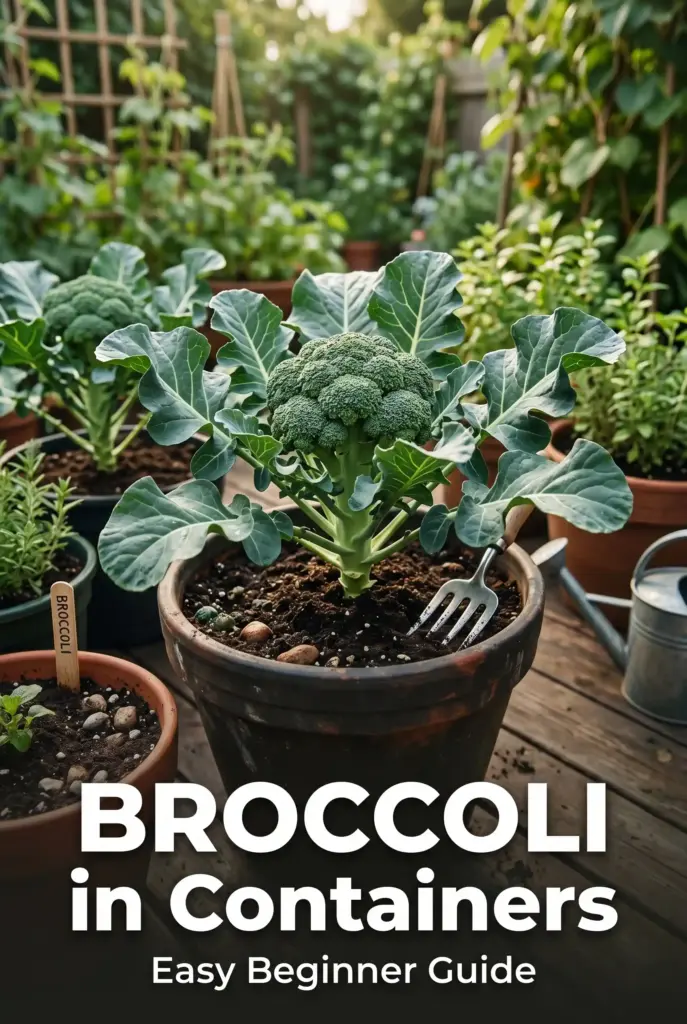
Broccoli is one of the healthiest vegetables you can grow at home, and growing it in containers makes the process simple, even for first time gardeners. With just a large pot, the right soil, and a sunny spot, you can grow strong, productive broccoli on a patio, balcony, or small backyard. Container broccoli is also easier to protect from pests and gives you a more controlled growing environment. Whether you want a small kitchen garden or a balcony filled with greens, broccoli is an excellent choice.
Here is your complete beginner guide to growing broccoli in containers and enjoying a generous, homegrown harvest.
Why Container Broccoli Works So Well
Growing broccoli in containers has many benefits:
- It works perfectly in small spaces.
- You control the soil quality completely.
- Pots warm up faster in spring for an earlier start.
- Pests are easier to manage.
- Watering and care are simple.
Even a single container can produce a satisfying harvest with weeks of side shoots.
Choose the Right Variety
Some broccoli varieties grow especially well in containers:
- Packman: Quick maturing and reliable.
- Green Magic: Compact and beginner friendly.
- Belstar: Heat tolerant and productive.
- De Cicco: Heirloom variety with abundant side shoots.
For first time growers, Packman or Green Magic are easy to manage.
Pick the Right Container
Broccoli has a deep root system and produces large heads, so choose a good sized pot:
- Use a container at least 12 to 18 inches deep.
- Aim for a width of at least 16 inches.
- Make sure the pot has solid drainage holes.
- Plant only one broccoli plant per container.
Bigger pots hold more soil moisture and nutrients, leading to bigger harvests.
Use Quality Soil
Broccoli is a heavy feeder, so it needs rich, fertile soil:
- Use a quality potting mix as the base.
- Mix in 25 to 30 percent compost.
- Add a slow release organic fertilizer at planting.
- Aim for a pH between 6.0 and 7.0.
Avoid plain garden soil, which is too dense for container growing.
Timing Your Planting
Broccoli loves cool weather and struggles in heat:
- Spring: Plant 4 to 6 weeks before the last frost.
- Fall: Plant 8 weeks before the first frost.
- Winter: Grow in warm climates with mild temperatures.
- Avoid midsummer planting in hot regions.
Cool weather produces tender, sweet broccoli heads.
Starting Broccoli Seeds
Broccoli grows easily from seed:
- Plant seeds a quarter inch deep in seed starting mix.
- Keep the soil warm, between 65 and 75 degrees Fahrenheit.
- Water gently to keep the soil moist.
- Move seedlings into the container when they have 4 to 6 true leaves.
If you prefer a faster start, buy young transplants from a garden center.
Hardening Off
Before placing broccoli outside, harden off seedlings over 7 to 10 days. Set them outdoors for a few hours each day, gradually increasing the time. This prevents shock when they face wind, sun, and outdoor temperatures.
Planting in Containers
Plant your broccoli carefully:
- Fill the pot with soil mix.
- Dig a hole and place the seedling at the same depth as in its starter pot.
- Firm the soil gently around the base.
- Water deeply and add a layer of mulch.
Watering well after planting helps the roots settle into their new home.
Sunlight Needs
Broccoli needs at least 6 hours of direct sunlight per day. A sunny patio or south facing balcony is ideal. In hot weather, providing afternoon shade can prevent the plants from bolting.
Watering Container Broccoli
Broccoli needs steady moisture for tight, sweet heads:
- Check the soil daily, especially in hot weather.
- Water deeply when the top inch feels dry.
- Avoid letting the pot dry out completely.
- Mulch the surface to keep moisture even.
Inconsistent watering leads to loose heads or bitter flavor.
Feeding Your Plants
Broccoli is a heavy feeder, especially in pots. Apply a balanced fertilizer every 3 to 4 weeks during the growing season. Use a nitrogen rich blend early on, then switch to a balanced fertilizer when the head begins to form. Compost tea is also excellent for steady feeding.
Pests and Problems
- Cabbage worms: Hand pick or use row covers.
- Aphids: Spray with soapy water or strong streams of water.
- Yellow leaves: Often nutrient shortage or over watering.
- Loose heads: Caused by warm weather or stress.
Harvesting Broccoli
Your broccoli is ready when the head is firm, dark green, and tightly closed. Cut the head off with a sharp knife about 5 inches below the head. Do not wait too long, since the head may flower and become bitter.
Enjoying Side Shoots
After cutting the main head, the plant often keeps producing smaller side shoots. Keep watering and feeding to encourage this second harvest, which can continue for several weeks.
Storing Fresh Broccoli
Store unwashed broccoli in a plastic bag in the fridge for up to a week. You can also blanch and freeze florets for long term storage. Homegrown broccoli has a much sweeter taste than store bought.
Final Thoughts
Growing broccoli in containers is a simple, productive way to enjoy fresh greens at home. With the right pot, rich soil, steady water, and sunshine, your plants will reward you with big, tender heads and weeks of side shoots.
Set up your first broccoli pot this season, follow these tips, and discover how easy and rewarding container gardening can be.