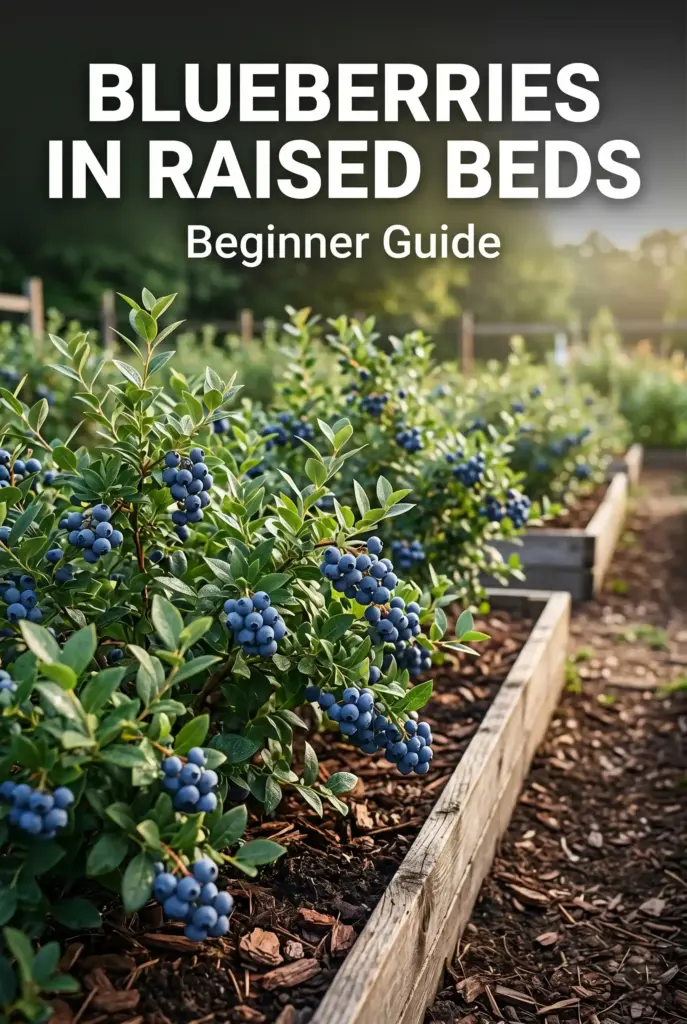
Growing blueberries in raised beds is one of the smartest ways to enjoy this delicious, antioxidant rich fruit at home. Blueberries are picky about their soil, and raised beds give you total control over what your plants grow in. With the right setup, even beginner gardeners can grow lush, productive bushes that produce baskets of sweet berries each summer. Raised beds also keep your blueberries cleaner, reduce pest pressure, and make care much easier on your back.
Here is your complete beginner guide to growing blueberry plants in raised beds successfully.
Why Raised Beds Are Perfect for Blueberries
Blueberries thrive in raised beds because of several big advantages:
- You control the soil pH, which is essential for blueberries.
- Drainage is excellent, preventing root rot.
- The beds warm up faster in spring for earlier growth.
- Weeds and pests are easier to manage.
- Harvesting and pruning are simpler.
Most garden soils are too alkaline for blueberries, so raised beds let you build the perfect soil from scratch.
Choose the Right Varieties
Picking the right blueberry variety for your region is one of the most important decisions:
- Highbush: The most common type, ideal for moderate climates.
- Lowbush: Hardy wild type, perfect for cold northern regions.
- Rabbiteye: Heat tolerant and great for southern climates.
- Half-high: A cold hardy cross, good for small spaces.
For raised beds, plant at least 2 different varieties that flower at the same time. Cross pollination leads to bigger berries and heavier yields.
Build the Right Raised Bed
A good raised bed sets your blueberries up for years of healthy growth:
- Make the bed at least 12 to 18 inches deep.
- Choose a width of 3 to 4 feet for easy access.
- Use rot resistant wood, stone, or composite materials.
- Place the bed in a sunny location.
Deeper beds give blueberry roots plenty of room to spread, and wider beds let you plant several bushes for cross pollination.
Pick a Sunny Spot
Blueberries need at least 6 to 8 hours of direct sunlight per day to produce well. Less sun means fewer flowers and smaller berries. Choose the sunniest location in your yard for the best results.
Get the Soil Right
Blueberries need acidic soil with a pH between 4.5 and 5.5. This is the most important step for blueberry success:
- Mix 50 percent peat moss for acidity and moisture.
- Add 30 percent quality compost for nutrients.
- Include 20 percent pine bark for drainage.
- Avoid using lawn soil, which is usually too alkaline.
Test your soil pH before planting and adjust as needed. Healthy soil is the foundation for long term blueberry success.
Planting Blueberries in Raised Beds
Plant blueberries in early spring or fall while the weather is cool. Follow these steps:
- Space bushes 3 to 4 feet apart for highbush varieties.
- Dig a hole twice as wide as the root ball.
- Place the plant at the same depth as in its pot.
- Backfill with soil and gently firm around the roots.
- Water deeply right after planting.
After planting, add a thick layer of mulch to lock in moisture and protect the roots.
Mulching Is a Must
Blueberries are shallow rooted, so mulch helps them tremendously. A 3 to 4 inch layer of pine bark, pine needles, or wood chips offers many benefits:
- Holds in moisture and reduces watering needs.
- Keeps the soil cool in summer.
- Slowly lowers the pH as it breaks down.
- Blocks weeds from competing with the roots.
Refresh the mulch each spring to keep your plants happy.
Watering Your Blueberries
Blueberries need consistent moisture, especially during flowering and fruit development:
- Aim for 1 to 2 inches of water per week.
- Use rainwater when possible since tap water can be alkaline.
- Water deeply at the base, not on the leaves.
- Use drip irrigation or soaker hoses for steady moisture.
Raised beds dry out faster than ground beds, so check the soil regularly.
Feeding Your Plants
Use a fertilizer made for acid loving plants, like blueberries, azaleas, or rhododendrons. Apply in early spring when new growth begins, then again 6 weeks later. Avoid generic lawn fertilizers, which can raise the pH and damage your plants.
Pruning Blueberries
Pruning keeps your bushes productive and healthy:
- Remove dead, weak, or broken branches each winter.
- Cut out the oldest canes after 3 years to encourage new growth.
- Thin crowded branches for better airflow.
- Keep the strongest, youngest stems.
Annual pruning leads to bigger berries and stronger bushes.
Protecting from Birds
Birds adore blueberries. Cover your raised bed with bird netting once berries start to ripen. Secure the netting so birds do not get trapped inside. Lightweight mesh tunnels also work well over raised beds.
Common Problems and Solutions
- Yellow leaves: Often a sign of alkaline soil.
- Small berries: Caused by lack of water or no pollination partner.
- Wilting: Usually from poor drainage or stressed roots.
- Few flowers: Too much shade or excess nitrogen.
Harvesting Your Berries
Blueberries are ready when they are completely blue with a soft, dusty coating. Ripe berries fall off the bush with a gentle touch. Pick every 2 to 3 days for the best flavor and to encourage more ripening.
Final Thoughts
Growing blueberries in raised beds is one of the most rewarding gardening projects for any home grower. With acidic soil, plenty of sun, steady watering, and a little pruning, your raised bed can produce baskets of sweet, juicy berries for many years.
Build a raised bed this season, plant a couple of varieties, follow these tips, and enjoy the joy of homegrown blueberries straight from your backyard.