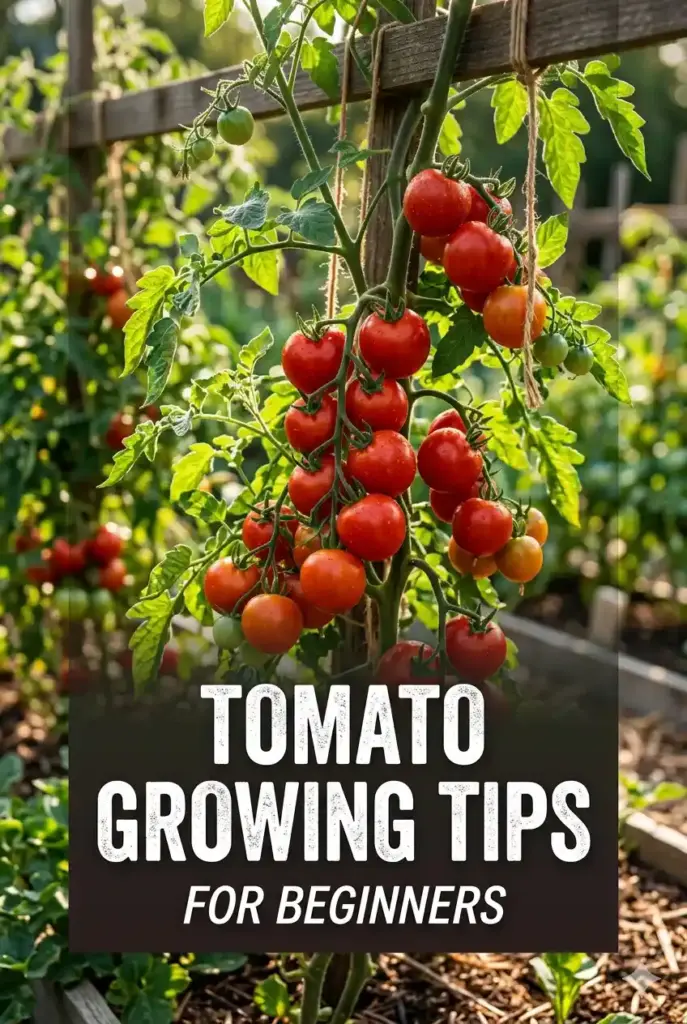
Tomatoes are one of the most popular vegetables to grow at home, and for good reason. Nothing compares to the taste of a tomato picked straight from your own vine, still warm from the sun. For beginners, tomatoes can seem intimidating, but with a few simple tips, they are one of the most rewarding crops you can grow.
This guide covers the essential beginner tips you need to grow healthy, productive tomato plants and enjoy a generous harvest all summer long.
Pick the Right Variety
Tomatoes come in hundreds of varieties, so start with ones that match your space and goals:
- Cherry tomatoes: Small, sweet, and very productive. Great for beginners.
- Roma tomatoes: Meaty and perfect for sauces and canning.
- Beefsteak tomatoes: Big slicing tomatoes ideal for sandwiches.
- Heirloom tomatoes: Beautiful colors and rich flavors, though more delicate.
Also know the difference between determinate and indeterminate types. Determinate plants stay compact and fruit all at once, while indeterminate types keep growing and producing until frost.
Give Them Plenty of Sun
Tomatoes need at least 6 to 8 hours of direct sunlight every day to thrive. Less sun means fewer flowers and smaller fruit. Pick the brightest spot in your garden or on your balcony.
Prepare the Soil
Tomatoes love rich, well-drained soil with plenty of organic matter. Before planting, mix 2 to 3 inches of compost into the top 8 inches of soil. Aim for a pH between 6.0 and 6.8. If you are using containers, choose a quality potting mix and never garden soil, which compacts in pots.
When to Plant Tomatoes
Tomatoes are warm weather plants and will not survive frost. Wait to transplant them outdoors until all danger of frost has passed and nighttime temperatures stay above 55 degrees Fahrenheit. In cooler zones, this may be late May or early June.
Plant Deep for Stronger Roots
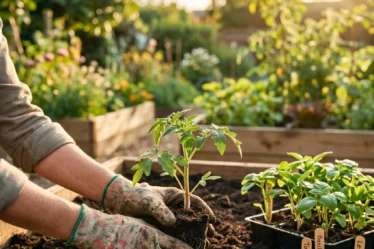
Here is one of the best beginner secrets. When you transplant tomatoes, bury them deep, leaving only the top few sets of leaves above the soil. Pinch off the lower leaves first. The buried stem will grow new roots, creating a much stronger plant that handles drought and wind better.
Spacing Your Tomato Plants
Crowded tomatoes lead to disease. Give them room to breathe:
- Space determinate plants 18 to 24 inches apart.
- Space indeterminate plants 24 to 36 inches apart.
- Leave 3 feet between rows.
Good airflow prevents fungal diseases and keeps leaves dry.
Staking and Supporting
All tomato plants benefit from support. It keeps fruit off the ground, improves air circulation, and makes harvesting easier. Options include:
- Tomato cages: Simple and reusable, great for determinate varieties.
- Stakes: Drive a 6 foot stake next to the plant and tie the stem loosely as it grows.
- Trellises: Ideal for indeterminate varieties that can climb high.
Set supports up at planting time, since driving them in later can damage roots.
Watering Tomatoes the Right Way
Tomatoes need deep, consistent watering. Aim for about 1 to 2 inches per week, more during heat waves. Water at the base of the plant, not on the leaves, to reduce disease. Mulch around the plants with straw or shredded leaves to keep the soil evenly moist and prevent splashing.
Inconsistent watering is the top cause of blossom end rot, cracked fruit, and poor flavor. Slow, deep soakings are always better than quick, frequent sprinkles.
Feeding Your Plants
Tomatoes are heavy feeders. Use a balanced fertilizer at planting, then switch to a formula higher in phosphorus and potassium once flowers appear. Feed every 2 to 3 weeks during peak growing season. Compost tea or slow release organic fertilizers work beautifully.
Pruning and Pinching
For indeterminate tomatoes, remove suckers, the small shoots that grow in the crotch between a stem and a branch. This directs energy to fruit production. Determinate varieties do not need much pruning since pruning them reduces yield. Always remove lower leaves that touch the soil to prevent disease.
Common Problems and Fixes
- Blossom end rot: Water evenly and add calcium if needed.
- Yellow leaves: Check for nutrient deficiency or over watering.
- Cracked tomatoes: Usually from sudden heavy watering after a dry spell.
- Few fruits: Often from too much nitrogen or lack of pollination.
Harvesting Tomatoes
Pick tomatoes when they are fully colored and slightly soft to the touch. They should come off the vine easily with a gentle tug. If frost threatens, harvest green tomatoes and let them ripen indoors on a windowsill. Never refrigerate fresh tomatoes, since cold ruins their texture and flavor.
Final Thoughts
Tomatoes are one of the most enjoyable crops a beginner can grow. With rich soil, plenty of sun, steady water, and a little support, your plants will reward you with baskets of juicy, flavorful fruit. The key is consistency. Pay attention to your plants, water on a schedule, and give them the nutrients they need.
Start with one or two plants this season, apply these tips, and you will quickly understand why so many gardeners say homegrown tomatoes change the way you think about food.