Broccoli is one of the most nutritious vegetables you can grow at home, and it is much easier than most beginners think. With the right timing, a little prep, and a few simple tricks, you can grow large, healthy broccoli heads right from your own garden. It is also a generous crop since after the main head is cut, most varieties keep producing smaller side shoots for weeks.
Here are the easiest tips to help you grow broccoli successfully, even if this is your first season.
Choose the Right Variety
Not all broccoli grows the same. Some are fast growing, while others are better for cold or warm weather.
- Calabrese: The classic grocery store type with large, green heads.
- Waltham 29: Hardy and great for fall harvests.
- De Cicco: An heirloom that produces many small side shoots after the main head.
- Packman: Fast maturing and reliable for beginners.
For first time growers, Packman or Calabrese are the easiest to manage.
Timing Is Everything
Broccoli is a cool season crop. It bolts or flowers prematurely in hot weather, so timing your planting matters a lot.
- Plant in early spring, 2 to 4 weeks before your last frost.
- Plant again in late summer for a fall crop.
- Avoid planting in the heat of midsummer.
- In warm climates, grow broccoli in fall and winter.
Cool weather gives you tender, sweeter heads that avoid bitterness.
Prepare Rich Soil
Broccoli is a heavy feeder. It needs rich, fertile, well-drained soil with plenty of organic matter. Before planting:
- Work 2 to 3 inches of compost into the top 8 inches of soil.
- Aim for a pH between 6.0 and 7.0.
- Remove any large rocks or weeds from the planting area.
- Add a balanced fertilizer before transplanting.
Strong soil gives you strong plants and large heads.
Start with Transplants or Seeds
You can grow broccoli from seed indoors 6 to 8 weeks before transplanting, or buy small transplants from a nursery. Transplants are easier for beginners because they skip the tricky seed starting stage.
When moving plants outside, harden them off for 7 to 10 days to help them adjust to outdoor conditions.
Proper Spacing for Big Heads
Broccoli needs room to grow. Crowded plants produce small heads and struggle with disease.
- Space plants 18 to 24 inches apart.
- Leave 24 to 36 inches between rows.
- Allow for extra space for side shoot harvests after the main cut.
Good spacing improves air flow and helps prevent pest problems.
Watering Broccoli Correctly
Broccoli needs consistent moisture. Uneven watering leads to small, bitter heads. Aim for about 1 to 1.5 inches of water per week. Water deeply at the base of the plant, and use mulch to keep the soil cool and moist.
Feeding for Faster Growth
Feed your broccoli every 3 to 4 weeks during the growing season. Use a nitrogen rich fertilizer in the early stages for strong leaf growth, then switch to a balanced blend when the head starts to form. Compost tea is an excellent natural option.
Mulching for Steady Moisture
A 2 to 3 inch layer of mulch around your broccoli plants keeps the soil moist and blocks weeds. Straw, shredded leaves, or grass clippings all work well. Mulching also keeps roots cool during sudden warm spells, which is important for this cool-weather crop.
Common Pests to Watch For
Broccoli attracts a few pests, but most are easy to control.
- Cabbage worms: Small green caterpillars. Handpick or use row covers.
- Aphids: Tiny insects that cluster under leaves. Spray with soapy water.
- Flea beetles: Leave small holes in leaves. Use row covers or neem oil.
- Cabbage loopers: Another common caterpillar. Control the same way as cabbage worms.
Checking your plants once or twice a week keeps small pest issues from becoming big ones.
When to Harvest Broccoli
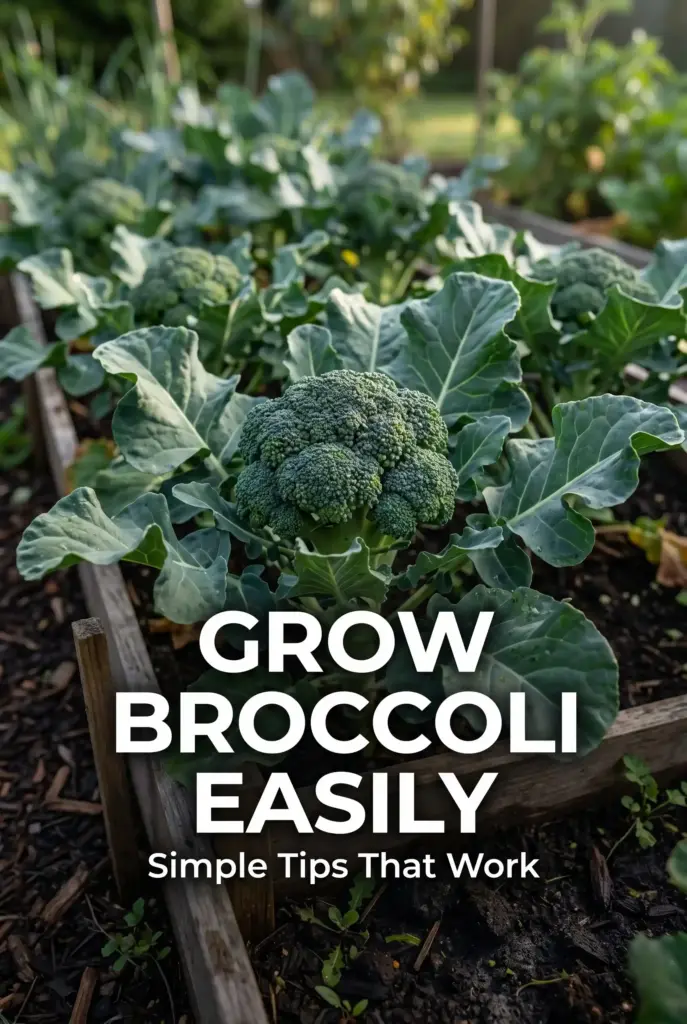
The main head is ready when it is tight, firm, and dark green with small, compact buds. Cut the head early in the morning when it is coolest. Use a sharp knife to cut the stem about 5 inches below the head.
Do not wait too long. If you see yellow flowers forming, the head is past its prime and will taste bitter.
Keep Harvesting Side Shoots
After cutting the main head, most varieties keep producing smaller side shoots. Keep watering and feeding the plant, and harvest new heads as they form. You can enjoy side shoots for several more weeks, sometimes stretching the harvest to almost two months.
Storing Fresh Broccoli
Store unwashed broccoli in a loose plastic bag in the fridge for up to a week. You can also blanch and freeze it for long term storage. Homegrown broccoli tastes much better than store bought, so try to enjoy it fresh whenever possible.
Final Thoughts
Broccoli may look intimidating, but it is one of the easier cool season crops once you know the basics. Plant at the right time, give it rich soil, keep the water steady, and stay on top of pests. Your plants will reward you with big, beautiful heads and weeks of tasty side shoots.
Try a few plants this season and enjoy the satisfaction of homegrown broccoli on your plate.