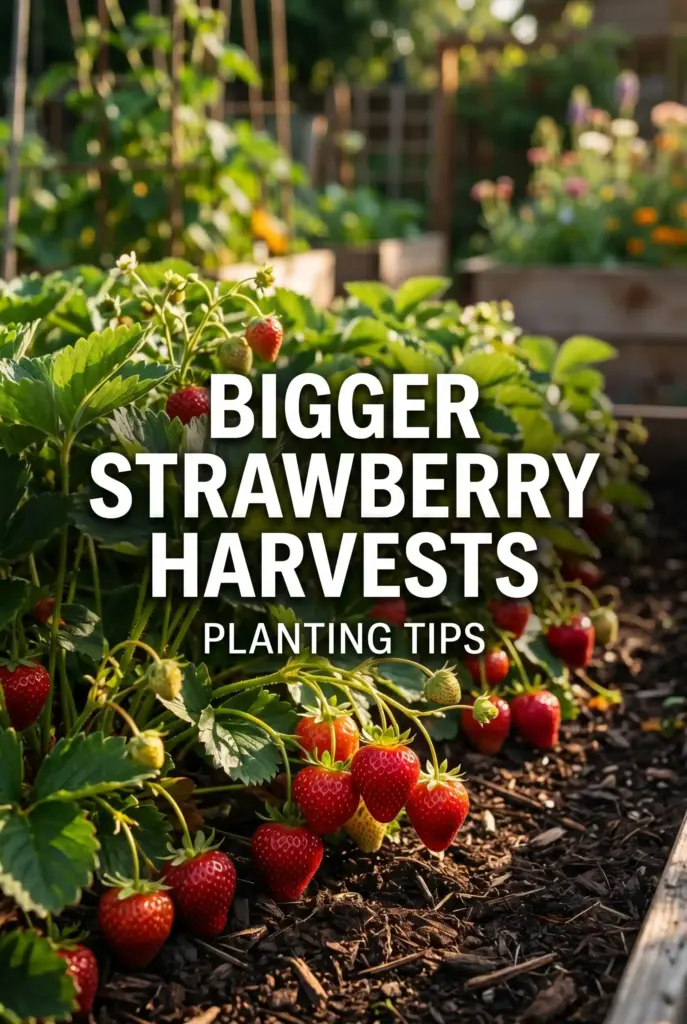
Few things beat the taste of a strawberry picked warm from the garden. Sweet, juicy, and bursting with flavor, homegrown strawberries are far better than anything you will find at the store. The best part is that strawberries are simple to grow and surprisingly productive, even in small spaces like pots, raised beds, or hanging baskets.
Here are the best strawberry planting tips to help you grow healthy plants and enjoy bigger harvests every season.
Choose the Right Strawberry Type
There are three main types of strawberries, and each offers different harvest patterns.
- June bearing: Produces one large crop in late spring or early summer.
- Everbearing: Produces two or three smaller crops through the season.
- Day neutral: Produces steady fruit throughout the growing season.
For the biggest single harvest, go with June bearing. For steady picking all summer, day neutral or everbearing varieties are perfect.
Pick a Sunny Spot
Strawberries love sunlight. They need at least 6 to 10 hours of direct sun per day to produce sweet, flavorful berries. Less sun means smaller fruit and weaker plants. Choose the sunniest location in your yard, balcony, or garden.
Prepare the Soil
Strawberries grow best in rich, well-drained soil with plenty of organic matter.
- Work 2 to 3 inches of compost into the top 8 inches of soil.
- Aim for a slightly acidic pH between 5.5 and 6.5.
- Avoid planting where tomatoes, peppers, or potatoes grew recently.
- Break up clumps and remove rocks to help roots spread.
Healthy soil is the foundation of big, juicy berries.
When to Plant Strawberries
The best time to plant strawberries depends on where you live. In most regions, early spring is ideal, as soon as the ground can be worked. In mild climates, fall planting gives you an earlier harvest the following spring.
How to Plant Strawberries
Planting strawberries properly makes a huge difference in their health and productivity.
- Space plants 12 to 18 inches apart in rows 3 to 4 feet apart.
- Dig a hole wide enough for the roots to spread.
- Keep the crown at soil level, never buried.
- Water deeply right after planting.
Burying the crown too deep causes rot, while planting too high dries out the roots.
Mulch for Bigger Berries
Strawberries got their name from the classic practice of mulching them with straw. Mulching offers many benefits:
- Keeps berries clean by lifting them off the soil.
- Holds moisture in the ground.
- Blocks weeds that compete with plants.
- Protects roots from extreme heat and cold.
Apply 2 to 3 inches of straw, pine needles, or shredded leaves around the plants.
Watering Strawberries
Strawberries need consistent moisture, especially during flowering and fruiting. Aim for about 1 to 2 inches of water per week. Water deeply at the base rather than overhead to reduce the risk of disease. Drip irrigation or soaker hoses work beautifully.
Feeding Your Plants
Strawberries benefit from regular feeding during the growing season. Use a balanced fertilizer in early spring, then switch to a bloom boosting formula with more phosphorus when flowers appear. Avoid high nitrogen feeds, which create lots of leaves but few berries.
Pinch Off First Flowers
It may feel wasteful, but pinching off the first set of flowers on new plants leads to bigger harvests later. This helps the plant focus energy on strong roots and leaves before fruiting. After this first pinch, allow future blooms to grow and produce fruit normally.
Protect from Pests and Birds
Birds and bugs love strawberries as much as you do. Cover plants with netting as berries start to ripen. Watch for common pests too:
- Slugs: Use diatomaceous earth or beer traps.
- Aphids: Spray with soapy water or attract ladybugs.
- Spider mites: Spray plants with a strong jet of water.
- Beetles: Handpick or use neem oil.
Pruning and Runners
Strawberry plants produce runners, which are long stems that root and make new plants. Allowing too many runners weakens the main plant and reduces fruit size. Snip off most runners during the first year, but let a few root to replace older plants.
When to Harvest Strawberries
Pick strawberries when they are fully red and fragrant. Berries do not continue ripening after picking, so wait until they are truly ready. Harvest every 1 to 3 days during peak season. Use scissors or pinch gently to avoid damaging the plant.
Renew Your Patch
Strawberry plants produce best for 2 to 3 years. After that, yields drop. Replace older plants with rooted runners or new transplants every few years to keep your patch producing big, sweet berries.
Final Thoughts
Strawberries are one of the most joyful crops for a home garden. With rich soil, steady water, smart pruning, and a bit of pest protection, your plants will reward you with beautiful, sweet, juicy berries. The secret to a big harvest is consistent care throughout the season.
Plant a patch this year, follow these tips, and soon you will be pulling baskets of sun-warmed strawberries straight from your own garden.