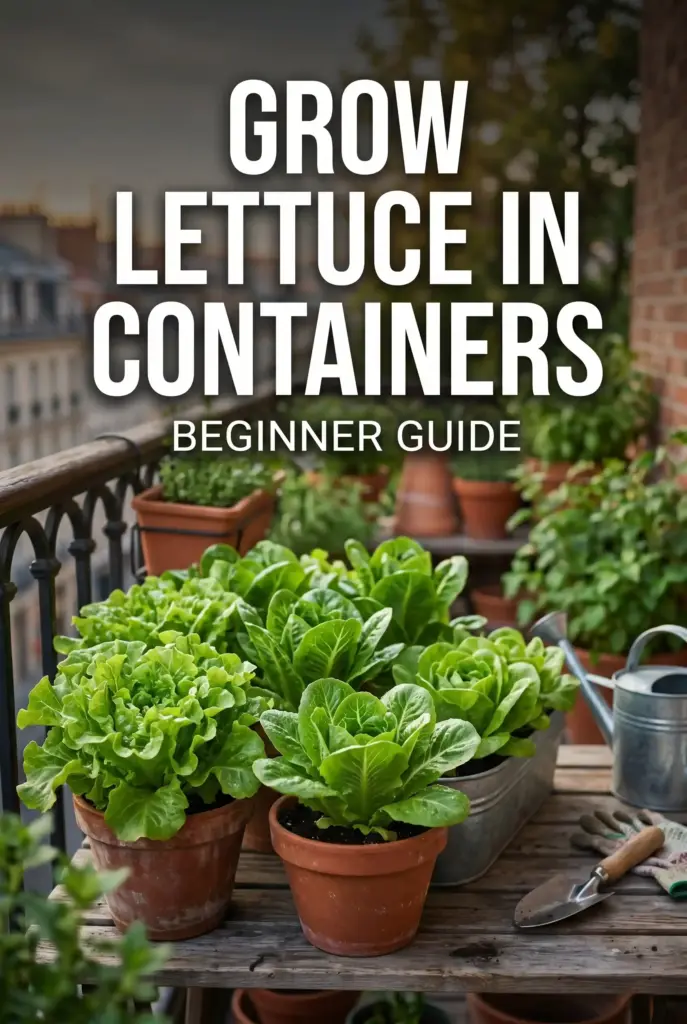
Lettuce is one of the easiest and most rewarding vegetables you can grow in containers. It does not need a lot of space, matures quickly, and gives you fresh, crunchy salad greens in just a few weeks. Whether you have a sunny balcony, a small patio, or even a windowsill, you can grow lettuce successfully in pots. With the right setup, you can enjoy a steady supply of homegrown leaves all season long, while saving money and skipping the store altogether.
This beginner guide walks you through every step of planting lettuce in containers and getting a generous harvest, even if this is your first gardening project.
Why Grow Lettuce in Containers
Container growing is a perfect option for lettuce. Here is why so many gardeners love it:
- It works well in small spaces like balconies and patios.
- You can move pots to follow the sun or escape extreme heat.
- Containers warm up faster in spring for an earlier start.
- Pests like slugs and snails are easier to control.
- It is a beautiful, decorative way to grow fresh food.
Even a single pot can give you enough lettuce for fresh salads almost every day.
Choose the Right Variety
Lettuce comes in many forms and flavors. Some are better suited to containers than others.
- Loose leaf: Fast growing and great for cut and come again harvests.
- Butterhead: Soft, buttery leaves that form loose heads.
- Romaine: Tall, crunchy leaves perfect for Caesar salads.
- Mesclun mixes: Pre-blended seed packs for variety in one pot.
For beginners, loose leaf and butterhead types are the easiest because they grow quickly and tolerate a range of conditions.
Pick the Right Container
Lettuce has shallow roots, so it does not need deep pots. Almost any container with drainage holes works.
- Use a pot at least 6 to 8 inches deep.
- Choose a wide container to grow several plants in one pot.
- Window boxes, fabric grow bags, and old crates all work well.
- Make sure the pot has good drainage holes.
If you want a continuous harvest, use several smaller pots and plant in stages instead of one big container.
Use Quality Soil
Soil quality makes a big difference in container lettuce. A rich, well-draining mix gives the best results.
- Use a quality potting mix, not garden soil.
- Mix in compost for added nutrients.
- Add a slow release organic fertilizer at planting.
- Aim for a pH between 6.0 and 7.0.
Lettuce roots are shallow but sensitive, so loose, fluffy soil helps them grow strong.
When to Plant Lettuce
Lettuce is a cool season crop that grows best when temperatures are between 60 and 70 degrees Fahrenheit. Plant in spring and fall for the best results. In hot weather, plants bolt quickly and turn bitter. In mild climates, you can grow lettuce in winter for fresh harvests almost year round.
Sowing Lettuce Seeds
Sowing lettuce seeds in containers is simple and quick:
- Scatter seeds lightly on the soil surface.
- Cover with about a quarter inch of fine soil.
- Press gently to ensure good contact.
- Water with a fine spray to avoid washing seeds away.
Seeds usually sprout in 7 to 14 days. You can also start with transplants from a garden center for a faster harvest.
Thinning Your Seedlings
Once seedlings are a few inches tall, thin them so each plant has space to grow. For loose leaf, leave 4 to 6 inches between plants. For butterhead and romaine, allow 6 to 8 inches. Eat the thinned seedlings as fresh baby greens, since they are tender and delicious.
Light Requirements
Lettuce needs at least 4 to 6 hours of sunlight per day. A sunny balcony, patio, or south facing window works well. In hot weather, a bit of afternoon shade keeps the leaves fresh and prevents bolting. If natural light is limited, a grow light keeps plants healthy indoors.
Watering Container Lettuce
Lettuce loves consistent moisture. Container plants dry out faster than ground beds, so check the soil daily.
- Water when the top inch feels dry.
- Aim for steady moisture, not soggy roots.
- Water at the base of the plant.
- Mulch the surface to slow evaporation.
Inconsistent watering can cause bitter leaves and slow growth.
Feeding Your Lettuce
Lettuce is a light feeder, but a gentle boost helps it produce big, tender leaves. Use a diluted liquid fertilizer or compost tea every 2 to 3 weeks. Avoid heavy chemical fertilizers, which can give the leaves an unpleasant flavor.
Common Problems and Solutions
- Bolting: Caused by hot weather. Plant in cooler seasons.
- Bitter leaves: Often from heat or uneven watering.
- Slugs: Set traps or use barriers around the pot.
- Aphids: Spray gently with soapy water.
Succession Planting Tip
Lettuce grows fast but does not last long once it bolts. To enjoy a steady harvest, sow new seeds every 2 weeks. This succession planting keeps your pots full of fresh, young leaves all season long.
Harvesting Lettuce
You can begin harvesting leaf lettuce when plants are about 4 inches tall. Use scissors to snip outer leaves and let the center keep growing. This cut and come again method gives you weeks of harvests from the same plant. For head lettuce, cut the entire plant at the base when it is full.
Final Thoughts
Planting lettuce in containers is one of the easiest and most rewarding gardening projects you can try. With a few pots, quality soil, steady water, and a sunny spot, you can enjoy fresh salad greens straight from your patio or balcony. It is fast, simple, and incredibly satisfying.
Try planting your first batch this season and discover how easy it is to grow your own crunchy, crisp lettuce.