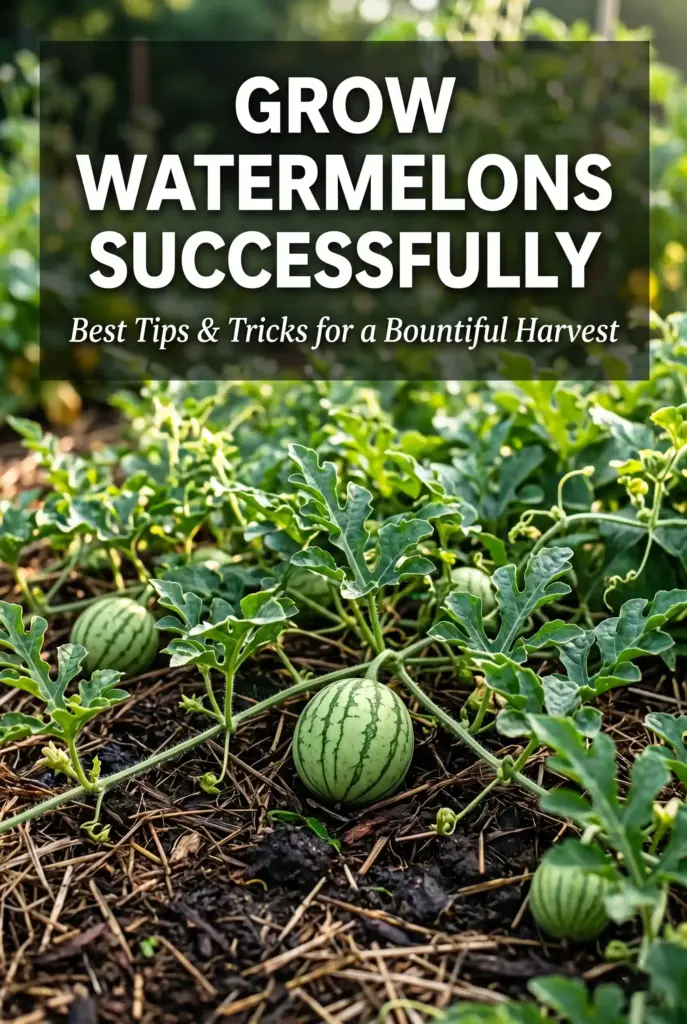
Few summer fruits are as refreshing as a homegrown watermelon. Sweet, juicy, and full of flavor, watermelons taste a thousand times better when you pick them straight from your garden. While they look like a complicated crop, watermelons are actually easy to grow once you give them what they love. With plenty of sunshine, warm soil, and steady care, even a beginner can grow big, beautiful melons in a backyard, raised bed, or even a large container.
Here are the best tips for growing watermelons successfully and enjoying a sweet, abundant harvest.
Choose the Right Variety
Watermelons come in many sizes, from huge classic types to small personal sized fruits. Pick a variety based on your space and growing season:
- Sugar Baby: Small, sweet, and great for small gardens.
- Crimson Sweet: Classic round melon with deep red flesh.
- Yellow Doll: Pretty yellow flesh with mild flavor.
- Bush Sugar Baby: Compact vine that fits in containers.
If you have a short growing season or limited space, choose a small or bush type. Larger varieties need more time and room to mature.
Pick the Right Spot
Watermelons love sunshine and warmth. Choose a spot with at least 6 to 8 hours of direct sunlight per day. Less sun means smaller, less sweet fruit. The ideal temperature for growth is between 70 and 85 degrees Fahrenheit. Avoid shaded or windy areas, which can stunt the vines.
Prepare Rich, Loose Soil
Watermelons are heavy feeders. Healthy soil is the foundation of big, sweet melons:
- Mix 2 to 3 inches of compost into the top 8 inches of soil.
- Aim for a pH between 6.0 and 6.8.
- Loosen the soil deeply so roots can spread.
- Add aged manure or balanced fertilizer before planting.
Watermelons grow well in raised mounds or hills, which warm up faster and drain better.
When to Plant Watermelons
Watermelons hate cold weather. Plant only after the soil is at least 65 to 70 degrees Fahrenheit and all danger of frost has passed. In short season areas, start seeds indoors 3 to 4 weeks before your last frost. In warm climates, you can sow seeds directly in the ground.
Spacing for Vines and Fruit
Watermelons need plenty of room. Their vines can stretch 8 to 12 feet.
- Space hills 4 to 6 feet apart.
- Allow at least 6 feet between rows.
- For bush types, 3 feet between plants is enough.
- Vining types can also be grown vertically with strong supports.
Crowded plants compete for nutrients and produce smaller fruit.
Watering Watermelons
Watermelons are mostly water, so they need lots of it, especially during fruit development. Aim for 1 to 2 inches of water per week. Water deeply at the base, not on leaves, to prevent disease.
- Keep the soil consistently moist while vines are growing.
- Reduce watering once fruit starts ripening for sweeter melons.
- Avoid overhead watering, which encourages mildew.
- Mulch around the base to lock in moisture.
Steady watering is the secret to sweet, juicy fruit.
Feeding for Big, Sweet Melons
Watermelons benefit from regular feeding throughout the growing season:
- Use a balanced fertilizer at planting.
- Switch to a phosphorus rich blend when flowers appear.
- Use a potassium rich feed during fruit development.
- Compost tea is great for steady, gentle feeding.
Avoid high nitrogen feeds once fruit forms. They produce lots of leaves but few melons.
Mulching the Vines
Mulch keeps moisture steady, blocks weeds, and protects the developing fruit from soil contact. Use straw, pine needles, or grass clippings around the base of plants. Mulch also keeps the soil warm and helps watermelons mature faster.
Pollination Tips
Watermelons rely on bees for pollination, since each plant has separate male and female flowers. Encourage pollinators by:
- Avoiding pesticides during flowering.
- Planting flowers like marigolds nearby.
- Hand pollinating with a small brush if needed.
- Letting the first male flowers stay on the vine.
Without good pollination, you may see flowers but few or no fruits.
Common Watermelon Problems
- Powdery mildew: Improve airflow and avoid wet leaves.
- Small fruit: Often from poor pollination or too much shade.
- Blossom end rot: Caused by uneven watering or low calcium.
- Cucumber beetles and aphids: Use row covers or natural sprays.
How to Tell When Watermelons Are Ripe
Knowing when to pick a watermelon is the trickiest part. Look for these signs:
- The curly tendril nearest the fruit turns brown and dries.
- The bottom spot of the melon turns from white to creamy yellow.
- The skin loses its glossy shine.
- Tap the melon. A ripe one sounds hollow.
Picking too early gives bland, watery fruit, so wait for clear ripeness signs.
Storing Fresh Watermelon
Whole, uncut watermelons keep at room temperature for about a week. Once cut, wrap them tightly and store in the fridge for 3 to 4 days. You can also freeze watermelon chunks for smoothies or refreshing summer treats.
Final Thoughts
Growing watermelons at home is a fun, rewarding project that gives you the sweetest, juiciest fruit imaginable. With sunshine, warm soil, steady watering, and a little patience, your vines will reward you with big, beautiful melons. Whether you have a backyard, raised bed, or a sunny patio with bush varieties, watermelons are well worth the effort.
Plant a few seeds this season, follow these tips, and enjoy the unmatched joy of biting into a watermelon you grew yourself.