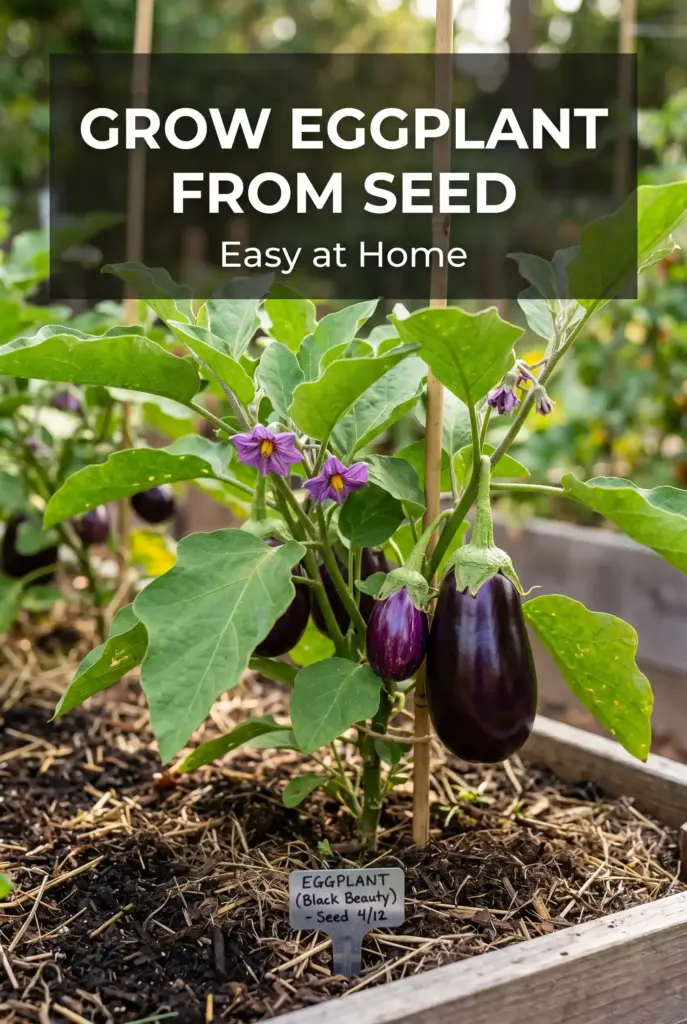
Eggplants are stunning vegetables with their glossy purple skin and rich flavor. They are perfect for grilling, roasting, frying, and many classic dishes from around the world. While they need warmth and patience, growing eggplant from seed at home is much easier than most beginners think. With the right setup and a little care, you can grow tall, productive plants loaded with beautiful fruit.
This easy guide walks you through every step of growing eggplant from seed at home.
Choose the Right Variety
Eggplants come in many shapes, sizes, and colors. Pick one that fits your space and cooking style:
- Black Beauty: Classic large purple eggplant, very productive.
- Japanese eggplant: Long, slender fruits with tender skin.
- Italian eggplant: Smaller and great for traditional recipes.
- Fairy Tale: Compact plants with small striped fruits, perfect for containers.
For beginners, Black Beauty or Fairy Tale are the easiest choices.
When to Start Eggplant Seeds
Eggplants need a long, warm growing season. Start seeds indoors 8 to 10 weeks before your last frost. They are slow to sprout, so giving them an early start is essential.
Sowing Eggplant Seeds
Eggplant seeds need warmth and moisture to germinate. Follow these simple steps:
- Use a seed starting mix, not heavy potting soil.
- Plant seeds about a quarter inch deep.
- Mist the surface to settle the soil.
- Cover the tray to keep humidity in until seeds sprout.
Keep the soil temperature between 75 and 85 degrees Fahrenheit. A heat mat under the tray speeds things up dramatically.
Light for Strong Seedlings
Once seeds sprout, they need a lot of light to grow strong and bushy. A sunny window can work, but a grow light gives the best results. Provide 14 to 16 hours of light daily, with the lamp just a few inches above the seedlings.
Watering and Feeding Seedlings
Eggplant seedlings prefer steady moisture but hate soggy soil. Water from the bottom when the top of the soil starts to dry. Begin feeding with a diluted liquid fertilizer about 2 weeks after sprouting. Keep nighttime temperatures above 65 degrees Fahrenheit for healthy growth.
Hardening Off
Before transplanting outdoors, harden off your seedlings over 7 to 10 days. Set them outside for a few hours each day, gradually increasing the time. This helps them adjust to wind, sun, and cooler temperatures.
Transplanting Eggplant
Move eggplants outside only when nighttime temperatures stay above 60 degrees Fahrenheit. Eggplants are sensitive to cold and stop growing when chilled. Choose a sunny spot with at least 6 to 8 hours of direct sun.
- Space plants 18 to 24 inches apart.
- Plant them at the same depth as in the pot.
- Mix compost into the planting hole.
- Water deeply and add mulch around the base.
Soil Requirements
Eggplants prefer rich, well-drained soil with a pH between 6.0 and 6.8. Mix plenty of compost into the soil before planting. Heavy clay or sandy soil should be improved with organic matter for better growth.
Watering Your Eggplant
Eggplants need consistent watering for healthy growth and smooth, shiny fruit. Aim for about 1 to 1.5 inches of water per week. Mulch around the base helps retain moisture and keeps the roots cool during heat waves.
Feeding Your Plants
Eggplants are heavy feeders. Use a balanced fertilizer every 3 to 4 weeks during the growing season. Once flowers appear, switch to a phosphorus rich blend to support fruit development. Compost tea also works wonderfully.
Support and Pruning
Mature eggplants can grow tall and become top heavy when loaded with fruit. Stake or cage your plants early to keep them upright. Pinching off the lowest leaves and any weak side shoots improves airflow and fruit production.
Common Problems and Solutions
- Yellow leaves: Often nutrient deficiency or over watering.
- Flea beetles: Cause small holes in leaves. Use row covers.
- Aphids and whiteflies: Spray with soapy water or neem oil.
- Blossom end rot: Caused by uneven watering or low calcium.
Inspecting your plants weekly helps catch problems early.
Pollination Tips
Eggplants are self pollinating, but they benefit from gentle help. Tap the flowers lightly to release pollen, especially indoors or in greenhouses. Outside, bees and wind usually do the work for you.
Harvesting Eggplant
Eggplants are ready to harvest when their skin is glossy, firm, and the fruit is the proper size for the variety. Use pruners to cut the stem rather than pulling, which can damage the plant. Pick fruits while they are still shiny. Dull skin means the eggplant is past its prime and may taste bitter.
Storing Fresh Eggplant
Fresh eggplant keeps for about a week in a cool, dry spot. Avoid the refrigerator if possible, since cold can damage the texture. For long term use, slice and freeze cooked eggplant or grill and store in oil for later meals.
Final Thoughts
Growing eggplant from seed at home is easier than many gardeners think. With warmth, sunshine, rich soil, and steady care, you can grow productive, healthy plants loaded with beautiful glossy fruit. Even a few plants can give you a generous harvest for grilling, roasting, and stewing.
Start your seeds early, follow these tips, and enjoy the joy of growing your own eggplant from start to finish.